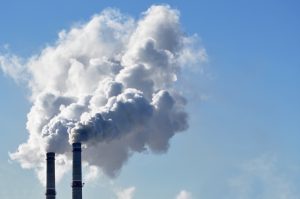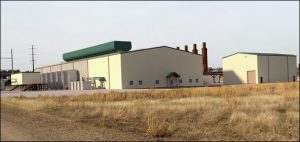
The plant would increase greenhouse gas emissions in Wisconsin by 491,000 tons every year. The science is clear: Now is the time to end our reliance on fossil fuels in order to avoid the worst impacts of climate change. And with Gov.
Deerfield resident Andrew Little steps outside on a sunny fall afternoon to take in the view from his backyard—a vast cornfield that sits just behind his property. Weeks after the harvest, the field is mostly an expanse of dark brown mud.
While energy efficiency might not seem as flashy as solar panels or electric vehicles, it is the foundation of an effective strategy for ushering in a sustainable future.
With the proposed rerouting of the Line 5 Pipeline in northern Wisconsin making headlines last year and currently going through the environmental impact analysis process with the Department of Natural Resources, this column takes a look at tar sands oil and its effect on climate change.
In a major victory for Wisconsin’s air quality, a federal appeals court judge ruled on July 10, 2020 that the US Environmental Protection Agency had failed to protect Wisconsin residents from ozone pollution when determining which counties met health standards for the pollutant.
The plan charts a way forward for the county to meet carbon reduction goals and prepares the county for the impacts of climate change in a way that creates economic opportunity, builds social equity, and protects public health.
The environmental impacts, from a warming climate to local water concerns, would be felt by all Wisconsin residents. That’s why we feel it is important to take this legal stand.