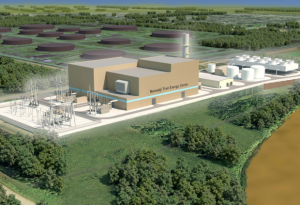
A planned methane gas plant for Superior, Wis., is increasingly likely to become an expensive, outdated waste of ratepayer money. That’s according to...
Four agricultural and environmental groups are calling for significant investments in the next state budget as part of a long-term effort to address Wisconsin’s water quality issues.
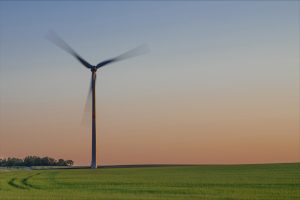
The goal is in sight. We know Wisconsin can reach a clean energy future within a generation, one where we breathe cleaner air, power our communities with homegrown, renewable energy, and use our resources wisely.
Carbon Capture and Storage, what is it and how does it work? Many analyses investigating how to reach climate goals include carbon capture and storage (CCS) if we are to reduce emissions quickly enough to avoid the worst impacts of climate change.
How much will you get from the Inflation Reduction Act? Find with Rewiring America’s IRA Calculator Historic federal funding measures could make a major impact on top environmental concerns for Wisconsin.
Growing Problems For decades, farmers have produced abundant and inexpensive food, but at great environmental cost. In Wisconsin, conventional agricultural practices (growing a single crop, such as corn, soybeans, or wheat, on the same land, year after year) have resulted in tired soils.
Clean Wisconsin has a new Energy Manager! A recent graduate of the Energy and Resources Ph.D. program at UW-Madison, Dr. Ciaran Gallagher specialized in energy analysis and policy.
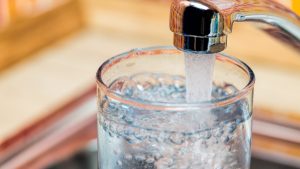
The proposed federal PFAS limits are far lower and more expansive than current Wisconsin standards. Today the Environmental Protection Agency issued its first ever proposed limits for PFAS under the Safe Drinking Water Act.