

Wildfire Smoke in Wisconsin: Effects on Health
November 4, 2025
The number of days that Wisconsin’s air quality is affected by wildfire smoke has risen dramatically over the past 15 years, causing increased death and disruption in the state.…
Read More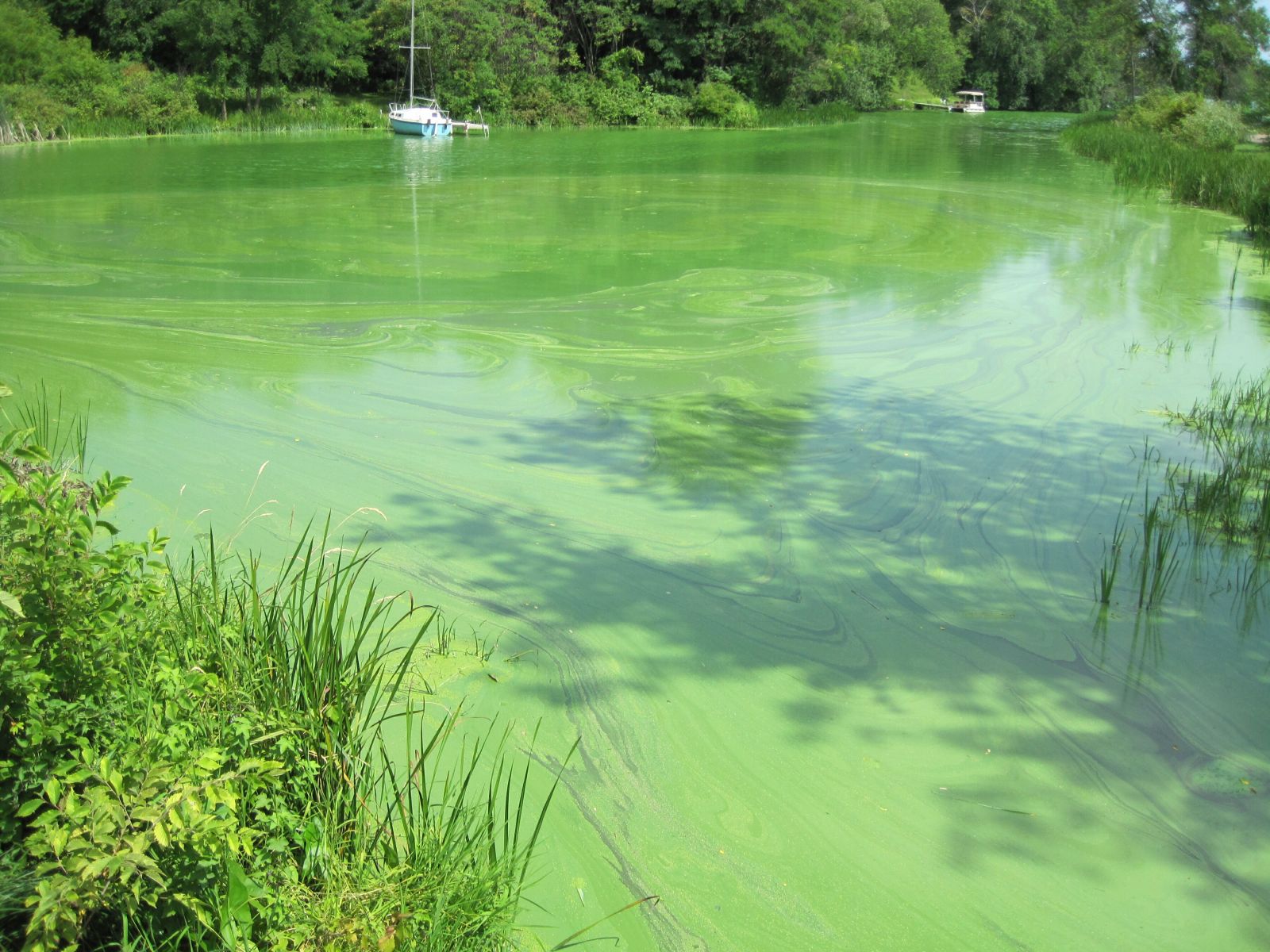
Harmful Algal Blooms & Potential Human Health Harms
October 30, 2025
The prevalence of algal blooms has been exacerbated by human activities like land use changes, historic and current over-application and runoff of nutrients in agriculture, the introduction of certain aquatic invasive species into Wisconsin, and climate change. …
Read More
New report: Nitrate Contamination Driving Health Crisis and Rising Costs in Wisconsin
October 2, 2025
Wisconsin faces a growing public health crisis from nitrate contamination in drinking water.…
Read More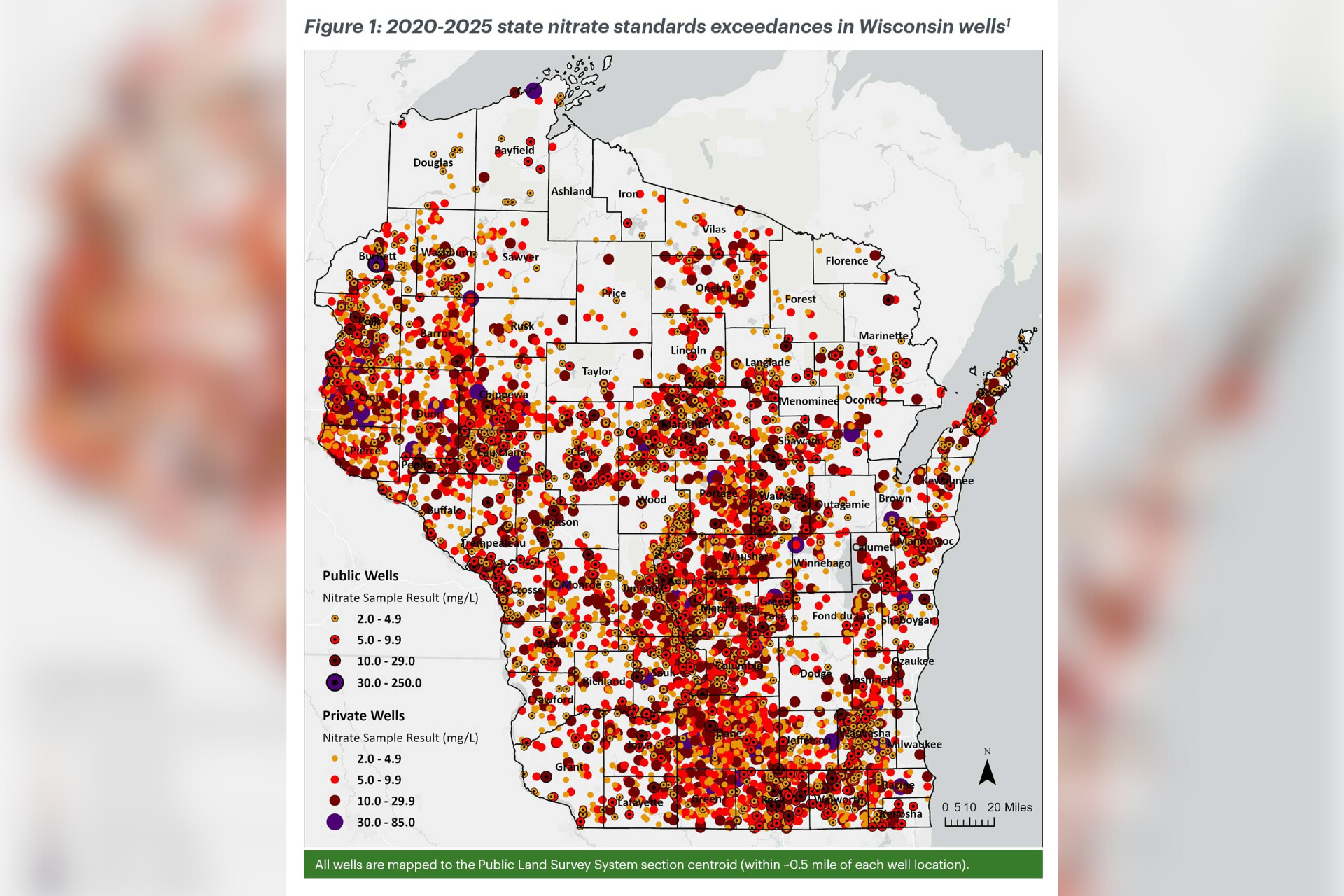
The Cost of Nitrate Contamination in Wisconsin’s Drinking Water
September 18, 2025
Wisconsin faces a growing public health crisis caused by widespread nitrate contamination in our drinking water.…
Read More
Wisconsin Neonic Workgroup
July 8, 2025
Neonicotinoids, or neonics, are the most widely-used class of insecticides but are topic of growing concern due to their environmental impacts.…
Read More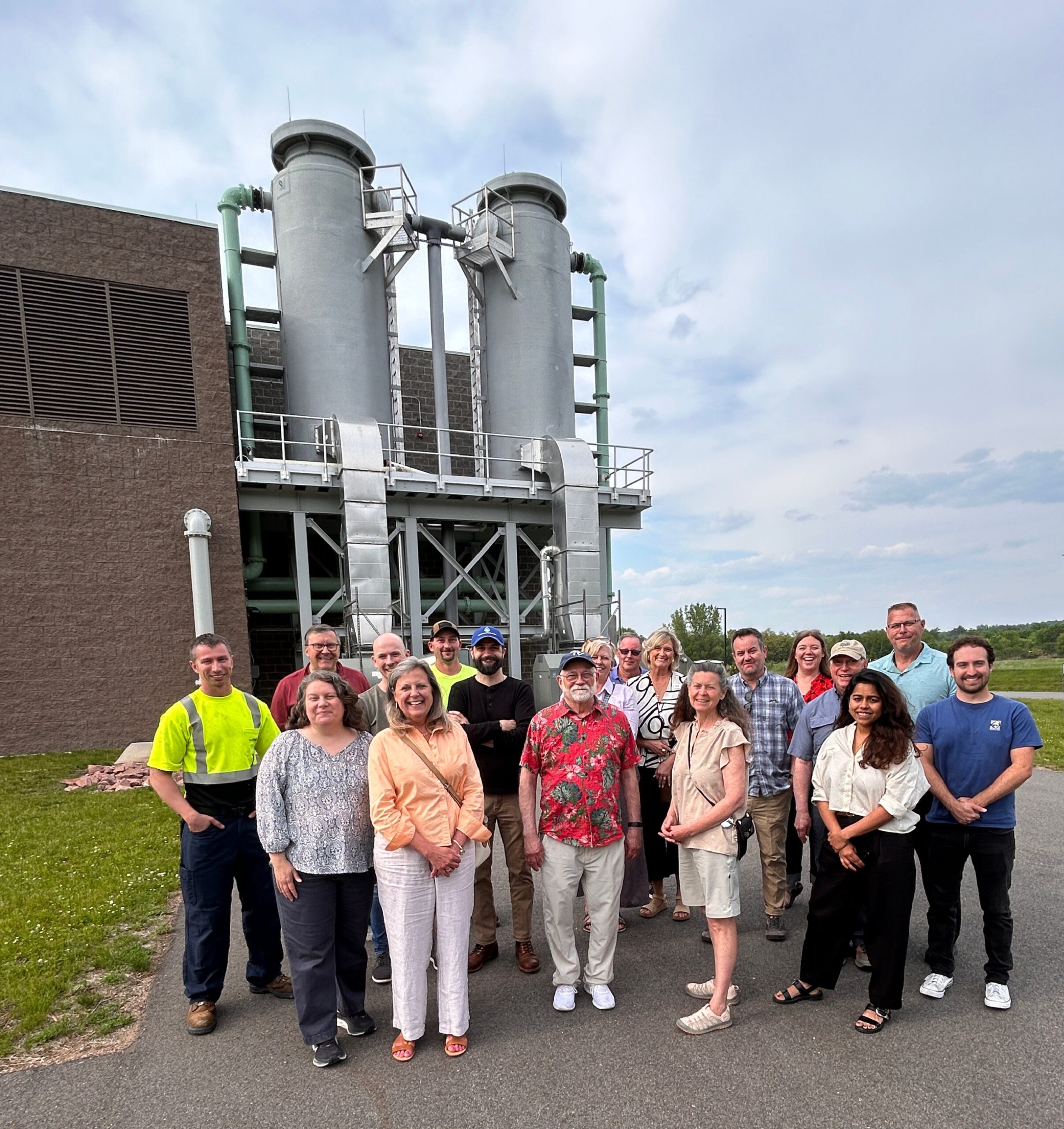
Clean Wisconsin helps organize Wisconsin’s first PFAS Summit
July 8, 2025
In a first-of-its-kind event, a state-wide PFAS group hosted its inaugural PFAS Summit at Rib Mountain State Park in Wausau earlier this summer.…
Read More
Pesticides and Our Bodies
June 16, 2025
What we know about the impacts of neonic pesticides on our bodies and how to limit exposure.…
Read More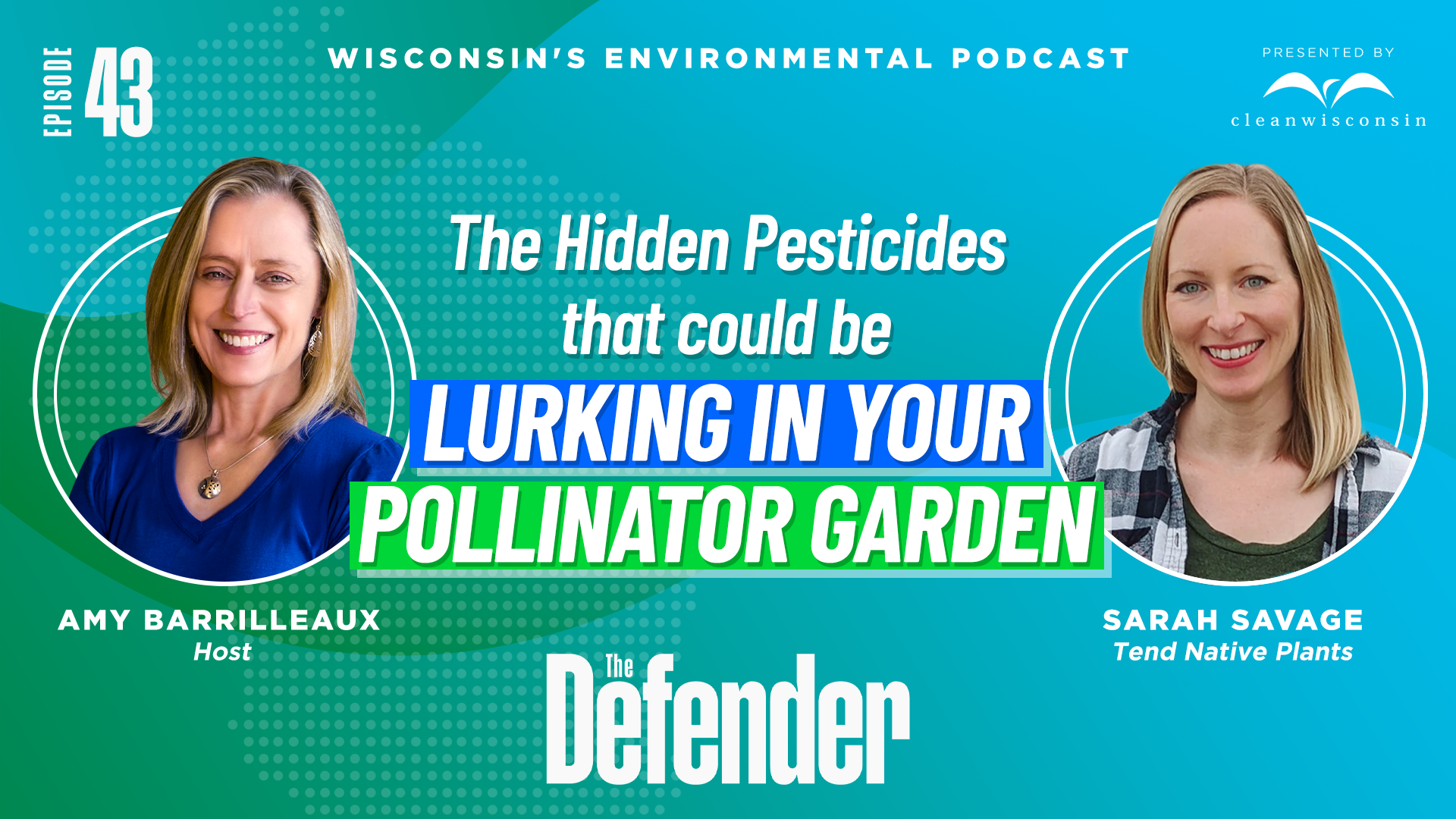
The hidden pesticides that could be lurking in your pollinator garden
June 9, 2025
How to make sure the flowers we buy are truly pollinator-friendly…
Read More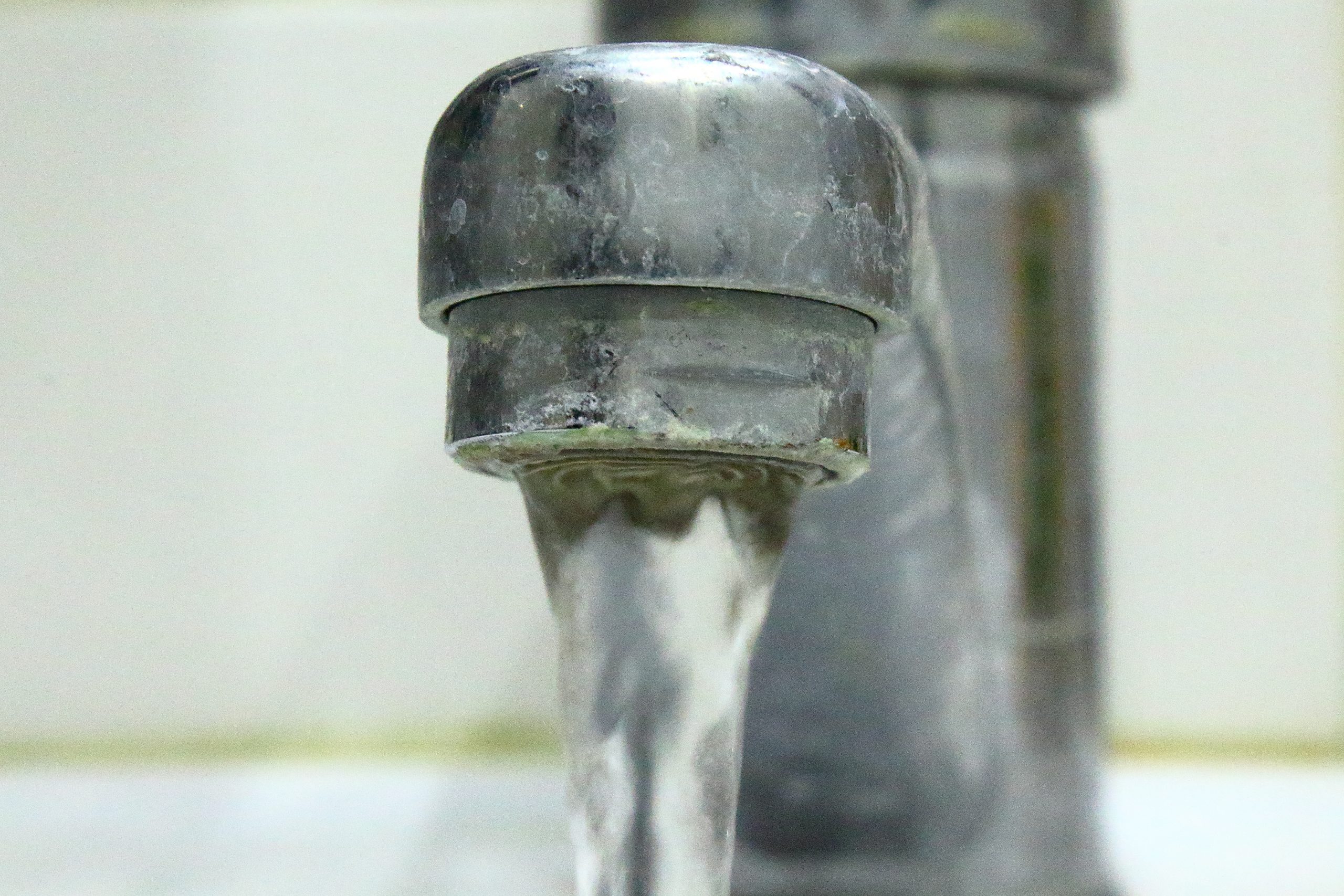
Trump Administration moves to weaken standards for toxic ‘forever chemicals’ in drinking water
May 14, 2025
A little more than a year after announcing its first ever drinking water standards for toxic PFAS chemicals, the Environmental Protection Agency (EPA) is reversing course, announcing it intends to rescind regulations for four key types of toxic PFAS compounds.…
Read More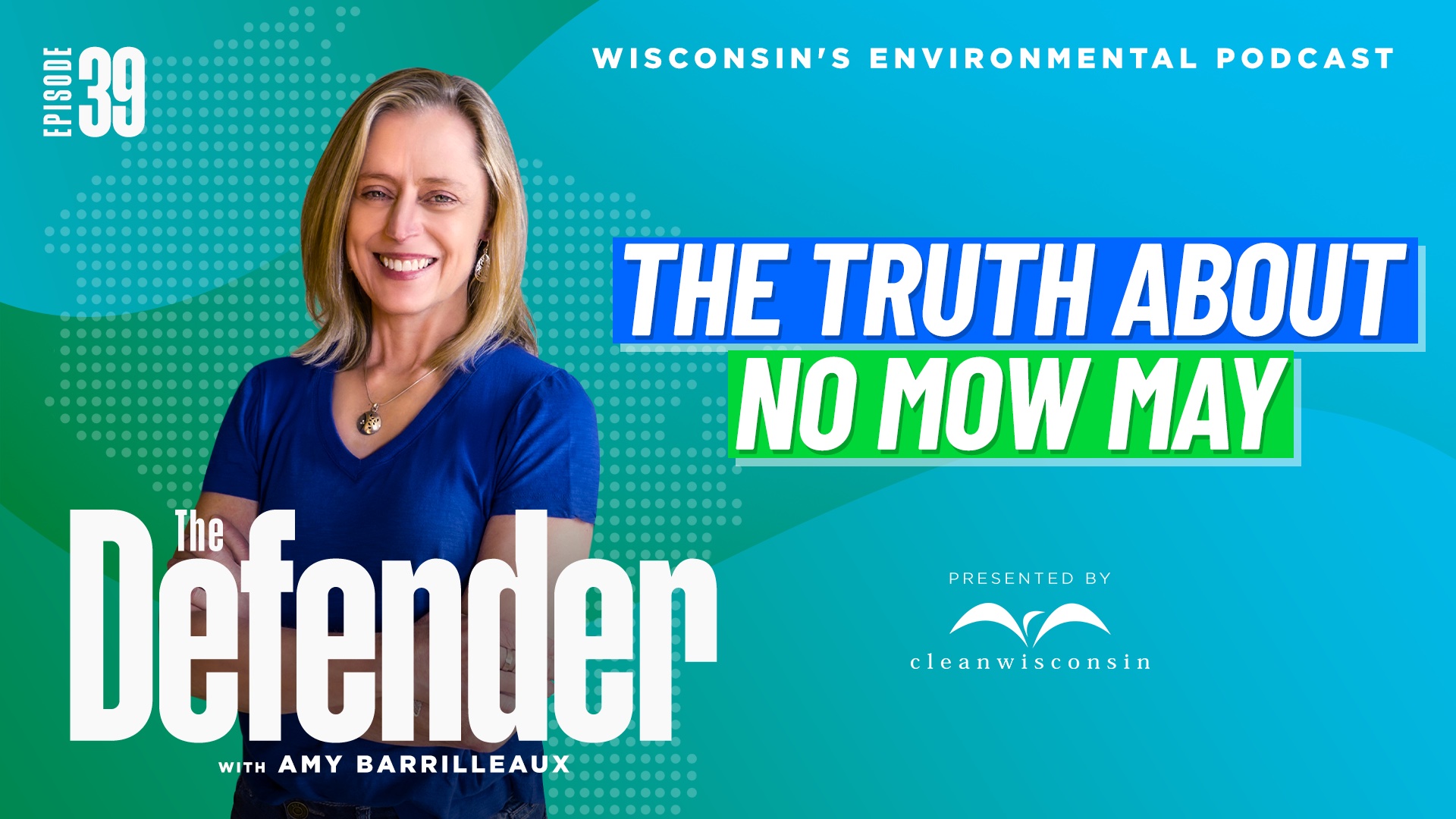
The Truth About No Mow May
May 5, 2025
In this episode, Amy walks through a typical Wisconsin yard with pollinator expert Elizabeth Braatz.…
Read MoreCategories
Latest Articles