


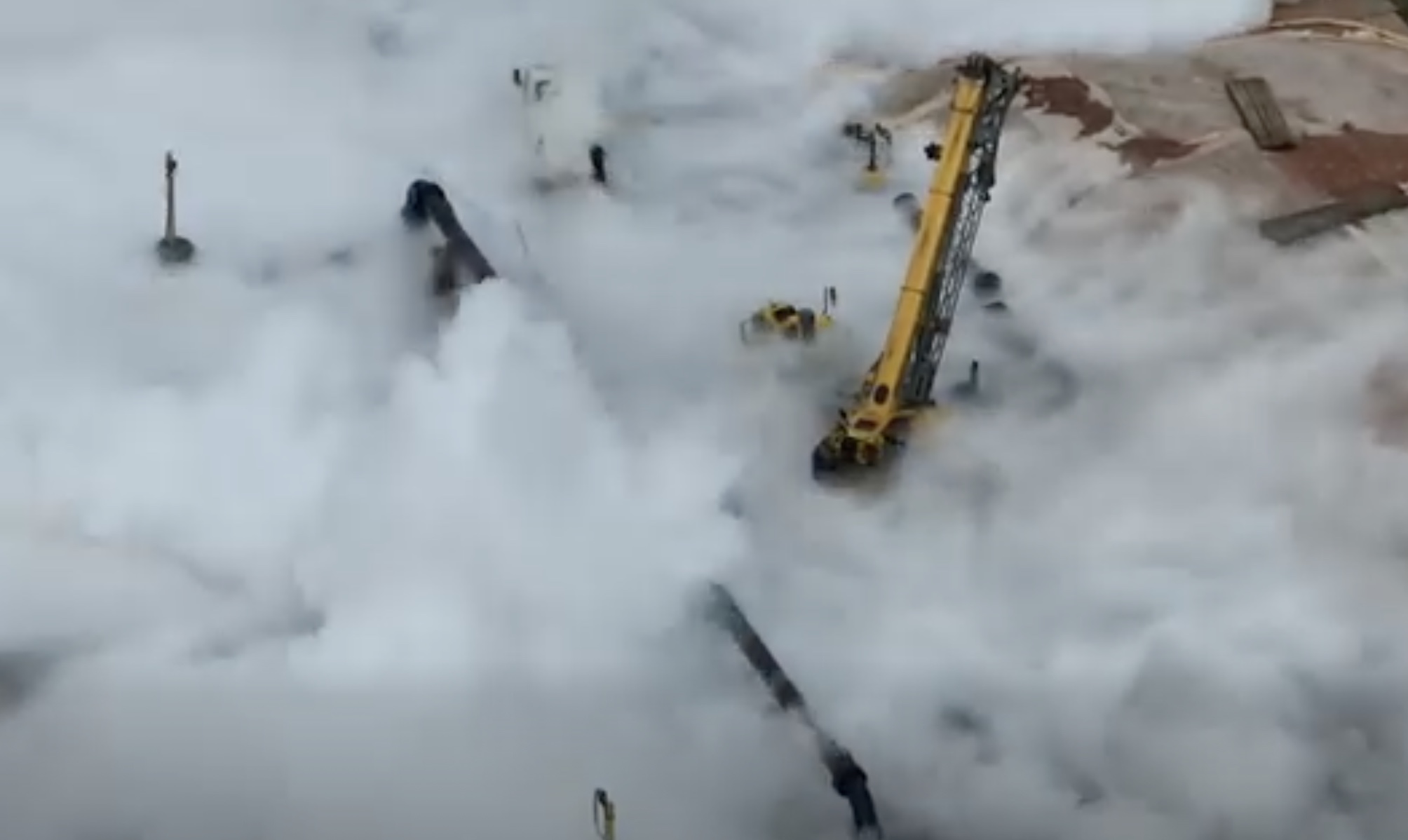
One of the most dangerous oil and gas pipeline spills ever reported in Wisconsin is unfolding in the Northwoods. On August 25, Canadian oil giant Enbridge spilled more than 1.3 million gallons of hazardous natural gas liquids in Iron County, forcing evacuations in the area. The extent of environmental harm remains unclear as the company burns off about 5,000 barrels of toxic chemicals on the site.
The incident appears to be the largest reported oil and gas pipeline spill in Wisconsin history.
“We’ve said from the beginning that building an oil and gas pipeline puts Wisconsin’s Northwoods and the families who live there at tremendous risk,” says Clean Wisconsin attorney Evan Feinauer. “This dangerous, toxic spill shows the harmful consequences that can result from Line 5 pipeline work and construction.”
Recent Enbridge pipeline spills:
- April, 2019: Enbridge spills 1,386 gallons of extremely flammable petroleum diluent from Line 6 in Jefferson County, but fails to report the incident for a year.
- February, 2024: Enbridge spills 69,300 gallons of crude oil from Line 6 in Jefferson County. The company initially reported just 2 gallons had leaked at the site.
- August, 2026: Enbridge reports spilling3 million gallons of natural gas liquids from Line 5 in Iron County.
Feinauer says when the DNR issued permits clearing the way for a reroute of Line 5, the agency understated the risks to the surrounding environment.
“The agency relied on Enbridge oil company consultants to assess the risks to our precious waterways and resources, failing to protect the health and livelihoods of Wisconsin communities. As Enbridge resorts to burning the remaining liquid natural gas it spilled, we are seeing in real time the risk our state bears so Enbridge can use our Northwoods as a pass through for its pipeline,” Feinauer says.
A number of key public health questions remain unanswered:
- What are the potential impacts to Lake Superior from this breach?
- How much of the chemicals were released as liquid versus vapor?
- Was there any oversight during Enbridge’s incident response by the EPA? Was there any state oversight?
- What specific chemicals volatilized into the atmosphere as air pollution, and what are the known environmental harms of this air pollution?
Enbridge was forced to temporarily shut shown operations of Line 5 as well as construction on the new reroute.
