

Our Health
Protecting the Health of Every Wisconsinite
From the air we breathe to the water we drink, Wisconsin’s environment directly shapes our health. Clean Wisconsin is fighting to reduce pollution, eliminate toxic exposures, and promote clean, safe, and equitable conditions for all.

Jump to Section
Explore Our Approach
Overview
The Hidden Health Crisis in Our Environment
Environmental pollution isn’t just an ecological issue—it’s a public health emergency.
Toxic chemicals, dirty air, and contaminated drinking water put families at risk every day, especially in rural and under-resourced communities. Children absorb pollutants faster. Older adults are more vulnerable. And Black, brown, and low-income residents are disproportionately exposed to environmental hazards.
We’re working to change that—by using science to drive better policies and fighting for solutions that protect every Wisconsinite, no matter where they live.
$80M
in annual healthcare costs linked to nitrate pollution
$100M
annual healthcare costs linked to PFAS pollution
4.5%
of Wisconsin children under 6 test positive for lead
100K+
U.S. deaths each year linked to air pollution
1
PFAS exposure can stay in the body permanently
KEY INITIATIVES
What We’re Fighting For
Our health is tied to the quality of our environment. That’s why Clean Wisconsin works across issue areas—from air and water to farming and toxic chemicals. We work to reduce exposure, prevent illness, and advocate for healthier communities. Each initiative is grounded in science and built around real solutions that protect people across Wisconsin.
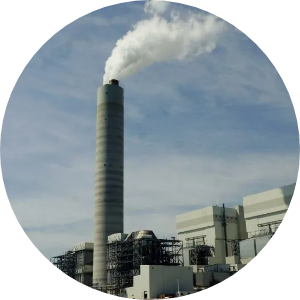
Clean Air for Healthier Lungs
Air pollution causes more than 100,000 deaths annually in the U.S. It is linked to asthma, heart disease, and lung damage—especially from pollutants like PM2.5 and ground-level ozone. And Wisconsin has one of the worst racial disparities in the nation for exposure to dangerous air pollution. That’s why we push for cleaner transportation, stricter emissions standards, and pollution accountability across the state.
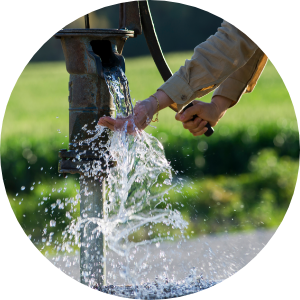
Safe, Clean Drinking Water
Thousands of private wells in Wisconsin are contaminated with nitrates, PFAS, or bacteria from manure runoff. Tens of thousands of homes are still served by lead water pipes. We advocate for statewide testing, stronger water protections, and investments in filtering, remediation, and lead pipe replacement.

Healthy Farms, Healthy Families
Fertilizer runoff, pesticide overuse, and poor manure management endanger our food systems and our health. We support sustainable agriculture, advocate for safer practices, and help farmers transition to proven solutions that protect both people and the land.

Fighting Toxic Chemicals Like PFAS
PFAS, “forever chemicals,” have been found in drinking water, food, and household dust across Wisconsin. Linked to cancer, birth defects, and hormone disruption, these toxins pose serious health risks. We’re leading efforts to ban their use, hold polluters accountable, and secure funding for cleanup.
Health Briefs
Pollution and Our Health
Read our Health Briefs for quick, accessible takeaways on the most urgent environmental health challenges. Each brief distills complex issues into clear, timely insights that show how pollution affects families and communities across Wisconsin.
Our Air
How do ozone levels impact public health in Wisconsin?
Unlike the protective ozone layer high in the atmosphere, ground-level ozone damages the lungs and respiratory system, increasing the risk of asthma attacks, respiratory illness, hospitalization, and premature death.
Wildfire Smoke in Wisconsin: Effects on Health
The number of days that Wisconsin’s air quality is affected by wildfire smoke has risen dramatically over the past 15 years, causing increased death and disruption in the state.
Our Water
How does contaminated sediment affect our health?
Pollutants in lake, river, and stream sediment enter aquatic food webs and accumulate in fish, contributing to Wisconsin’s fish consumption advisories to protect against unsafe exposure to contaminants like mercury, PCBs, and PFAS.
PFAS and Health: Contamination in Private and Public Wells in Wisconsin
Once PFAS get into the environment or our bodies, they do not break down, and environmental contamination continues to build as more PFAS are introduced to the environment. Any exposure to PFAS can pose health risks.
In-Depth Research
Science that Drives Change
Dive into our Science & Analysis pieces for a deeper look at the research behind the headlines. Explore data, methodology, and real-world impacts that reveal why strong policies matter—and how science drives healthier outcomes for every Wisconsinite.

The Cost of Nitrate Contamination in Wisconsin’s Drinking Water
Wisconsin faces a growing public health crisis caused by widespread nitrate contamination in our drinking water.
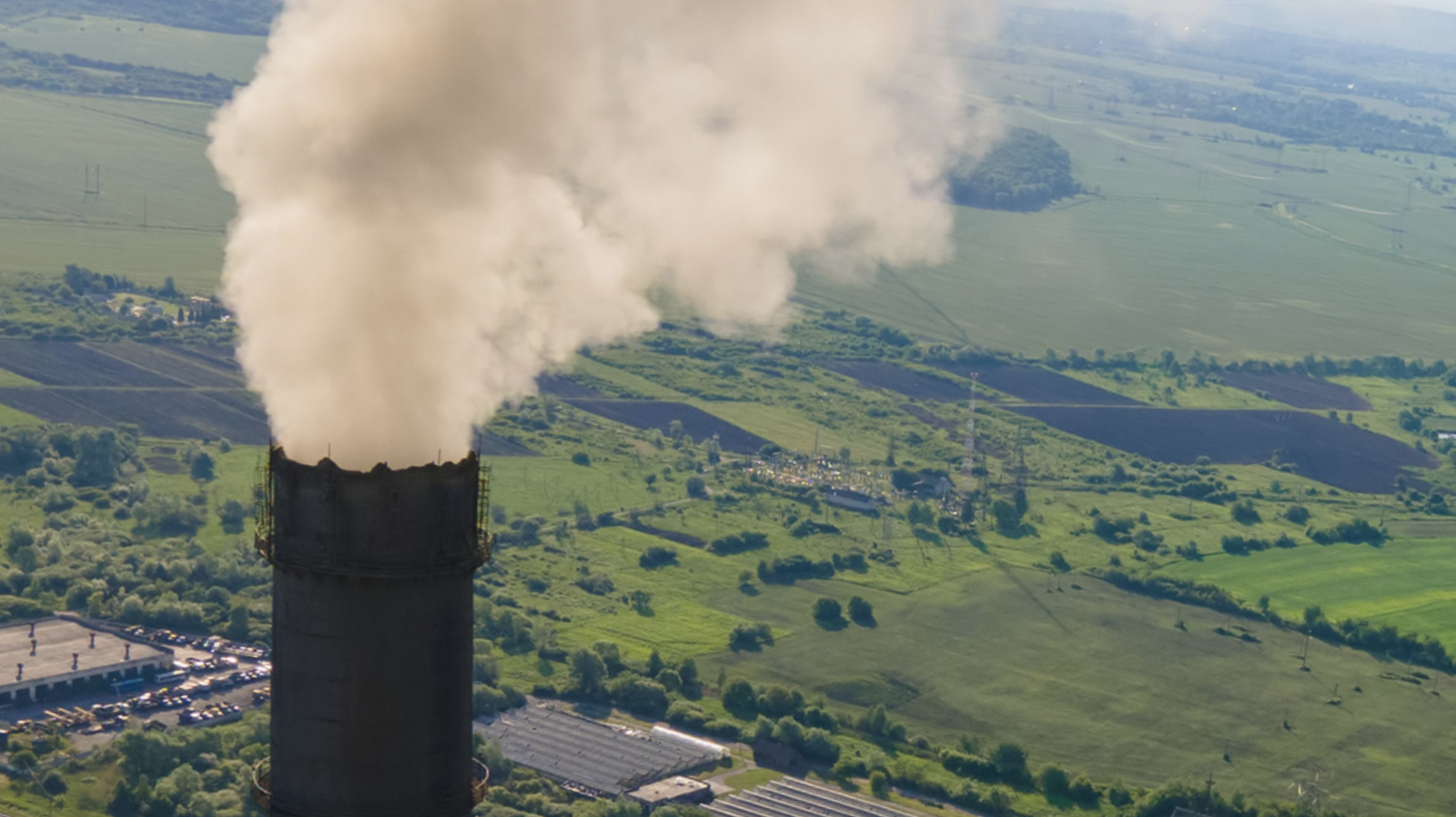
Health Benefits From EPA’s Proposed Regulations on Wisconsin Power Plants
Analysis finding that EPA’s proposed power plant rules will bring nearly $50 million in healthcare-related benefits for Wisconsin.
Resources
Our Health Resources
Explore guides, research, and tools that help you understand how environmental issues affect public health—and what you can do to help protect your family, your community, and your state.
Press Releases
Clean Wisconsin sues EPA over repeal of power plant carbon reduction rules
This unlawful rollback will have devastating consequences if allowed to stand
See NewsHealth News
Expert Insights
Clean Wisconsin receives Health Equity Champion Award
Receiving this award is an important recognition, but the partnership behind it is what matters most.Through our Resilient Communities Program and our Environmental Health Initiative, Clean Wisconsin will continue working alongside community partners to address environmental and health challenges, support resident leadership, and advance solutions shaped by the communities they are intended to serve.
Read MoreExpert Insights
Podcasts
We Need to Talk About Cancer Rates in Iowa
In this episode, we look at a new study that paints an alarming picture of rural America and cancer rates.
Listen NowLatest Podcast
Health Briefs
How does contaminated sediment affect our health?
Pollutants in lake, river, and stream sediment enter aquatic food webs and accumulate in fish, contributing to Wisconsin’s fish consumption advisories to protect against unsafe exposure to contaminants like mercury, PCBs, and PFAS.
View Health BriefHealth Research
Frequently Asked Questions
Our Health FAQs
Why is environmental health a Clean Wisconsin priority?
Because pollution doesn’t just hurt the environment—it harms people. We focus on reducing exposure to toxins and creating safer, healthier communities.
What’s the biggest environmental threat to health in Wisconsin?
Air and water pollution are two of the most urgent threats. Nitrates, PFAS, and fine particulate matter are linked to serious health issues across the state.
Who’s most affected by environmental health risks?
Children, the elderly, and people in rural or low-income communities — particularly communities of color — are especially vulnerable. Our work centers on protecting those most at risk.
How can I reduce my exposure to toxins like PFAS?
Filter your water, avoid nonstick cookware and stain- and water-resistant products, and support local and state policies that phase out PFAS and clean up contamination.
How can I get involved?
Sign up for Clean Wisconsin’s action alerts, donate to support our work, share our resources with your network, and advocate for policies that prioritize clean air, safe water, and healthy land.

SIGN UP
Join the Fight for Our Health
Sign Up For Email Updates
"*" indicates required fields