

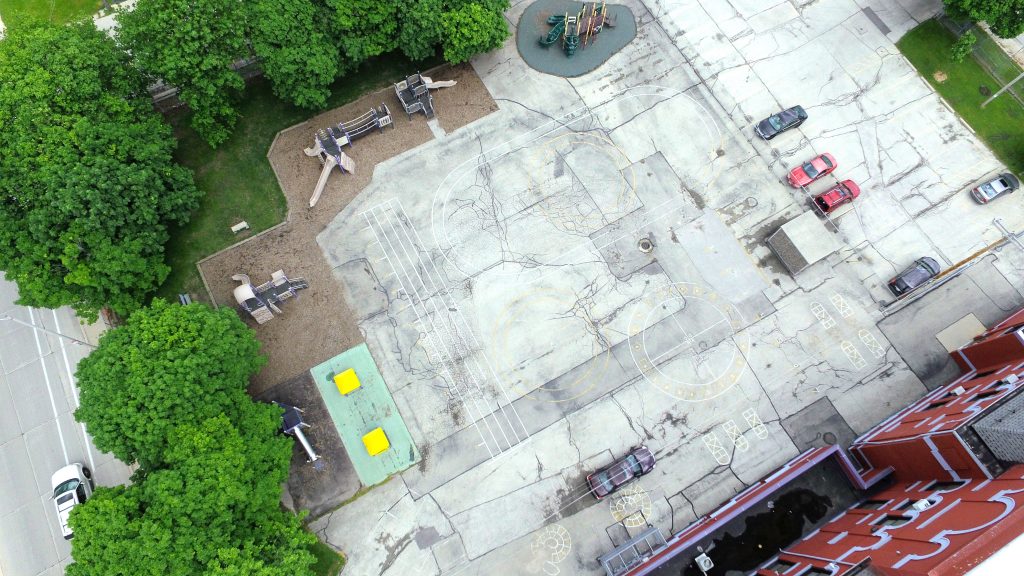
Resilient: How Milwaukee is using water capture technology to adapt to climate change
October 1, 2019
Using green infrastructure practices to cool the urban heat island, improve air quality, and increase the infiltration and capture of rainwater, Milwaukee has become a national leader in efforts adapt to a warming world due to climate change.…
Read More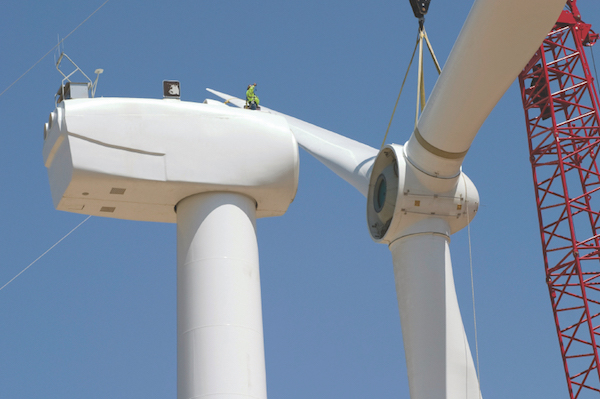
Why the carbon-free by 2050 goal matters
September 4, 2019
Without this goal as a starting point, we wouldn’t get anywhere.…
Read More
Gov. Evers continues to lead on clean drinking water
August 23, 2019
Clean Wisconsin applauds Gov. Tony Evers for signing an executive order today to address the growing threat to drinking water and public health from the class of hazardous chemicals called PFAS.…
Read More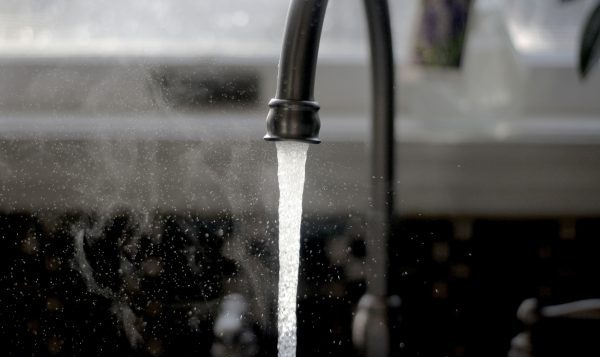
Speaker’s Task Force on Water Quality Travels the State with End Result Still Unclear
August 19, 2019
Legislators have heard from citizens, researchers, county officials, and many other stakeholders about the diversity of water issues Wisconsin citizens face but haven’t given a lot of indication about what actions they are prepared to take to address these challenges.…
Read More
Letter from the President
August 17, 2019
Each year the need for protecting Wisconsin’s environment comes into sharp focus on trips to summer cabins, while boating on Lake Superior, fishing on a northern Wisconsin lake, or running through woods or past fields of coneflowers on Picnic Point in Madison.…
Read More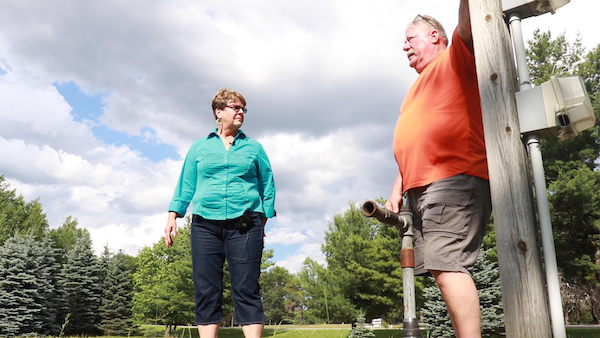
A crisis of contamination
August 7, 2019
For Ruth and John Kowalski, their home in Peshtigo was the last place they expected to be at risk for PFAS contamination.…
Read More
Letter from the President
May 22, 2019
Earth Day started because people like Gaylord Nelson knew we needed to fix the environmental crises we faced in the 1970s. In the years that followed, our federal leaders enacted historic legislation like the Clean Water Act and the Clean Air Act.…
Read More
Fossil Fuels in the Northland
May 22, 2019
Why we don’t need a new gas plant in Wisconsin.…
Read MoreUnder the Lens: Unpacking PFAS pollution
May 22, 2019
What we know about this emerging threat to our water and health.…
Read More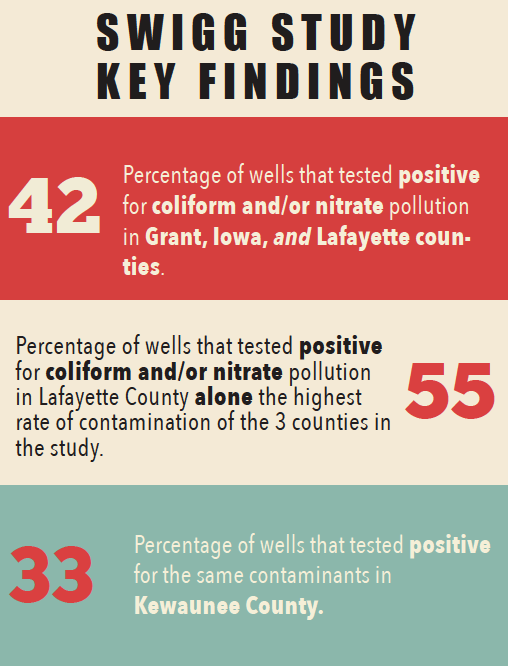
Alarming rates of well water contamination in SW WI
February 20, 2019
The results from the first round of sampling for the Southwest Wisconsin Groundwater and Geology (SWIGG) study released earlier this month indicate serious problems with well water contamination in the region. For years, Clean Wisconsin has worked hard to push for strong drinking water protections, and these results confirm that we need bold action from local and state leaders to ensure every Wisconsin resident has access to clean drinking water.…
Read MoreCategories
Latest Articles