

Our Climate
Climate Action for Wisconsin
Climate change threatens our health, environment, and economy. Clean Wisconsin works to cut carbon, move beyond fossil fuels, and protect communities—using science, policy, and legal action.

Jump to Section
Explore Our Approach
Overview
What Does It Mean to Fight for a Safe Climate?
A safe climate means clean air, stable seasons, productive farms and fisheries, and communities that can thrive. It’s a world where ecosystems stay in balance, crops grow reliably, and people are protected from extreme heat, flooding, and pollution. But burning fossil fuels has thrown that balance off—fueling climate change and threatening our health, economy, and environment.
Fighting for a safe climate means cutting carbon, ending fossil fuel expansion, and building a cleaner future for Wisconsin.
Clean energy isn’t just better for the planet—it’s better for Wisconsin. Wind and solar are already more affordable than fossil fuels, and when we produce energy locally, we keep more money in our communities.
$14B
leaves Wisconsin each year to import coal, gas, and oil.
$2-4B
in health costs could be avoided by reducing air pollution caused by fossil fuels.
162,000
new jobs could be created through clean energy investments.
2050
Wisconsin can reach net-zero emissions with bold climate action.
Videos
Stories That Matter
KEY INITIATIVES
Our Approach to Climate Action
Clean Wisconsin uses science, policy, and legal advocacy to push back on fossil fuel expansion and accelerate the shift to clean energy. Our work supports a carbon-free electricity system by 2050—one that benefits people, not polluters.
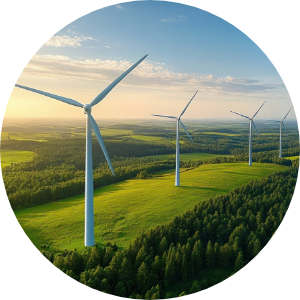
Stop Wasting Our Wind
Wisconsin has vast untapped wind energy potential. We’re advocating for smart, inclusive development that strengthens local economies, listens to local voices, and delivers long-term environmental and financial returns.
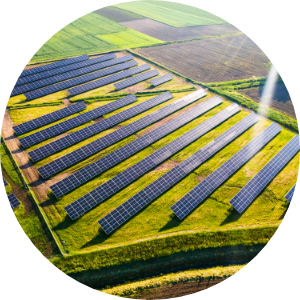
Solar: A Brighter Path Forward
Solar energy—whether on rooftops or integrated into the landscape—is reliable, affordable, and restorative. It powers homes, protects ecosystems, and helps communities thrive.
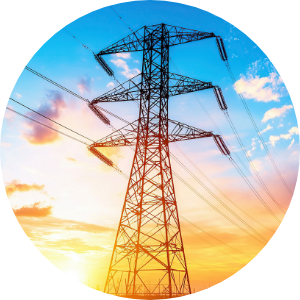
Building the Grid We Need
Modern transmission lines are critical to connect communities with clean energy. We’re working to expand the grid so wind and solar projects can deliver their full potential.
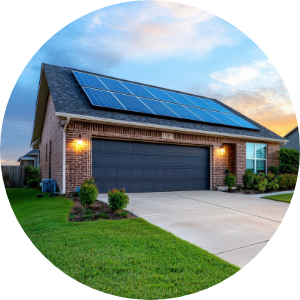
Boosting Energy Efficiency
Energy efficiency is one of the fastest, cheapest ways to cut emissions. We support increased investment in Focus on Energy and other efficiency programs to help Wisconsin families save money and reduce energy waste.
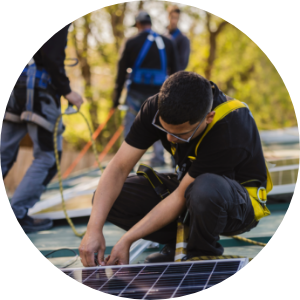
Reaching Net-Zero by 2050
We have the tools to get there. Our roadmap shows how Wisconsin can phase out fossil fuels and build a clean energy economy—while creating jobs and improving public health.
HIGH STAKES
Exposing Fossil Fuel Risks
Fossil fuels aren’t just expensive and outdated—they’re dangerous. From power plants to pipelines, Wisconsin’s reliance on coal, gas, and oil comes with serious environmental, health, and climate risks. Here’s what we’re up against.
Gas-Fired Power Plants
Natural gas is mostly methane—a potent greenhouse gas that traps 30x more heat than CO₂. These plants lock in emissions and release harmful pollutants like sulfur and mercury.
Coal-Burning Power Plants
Coal is still one of Wisconsin’s largest energy sources—and one of the dirtiest. We’re fighting to accelerate coal plant retirements and transition to clean energy like wind and solar.
Oil Pipelines
Pipelines like Enbridge’s Line 5 carry carbon-intensive tar sands oil and pose serious risks to our water, climate, and Indigenous lands. We support efforts to shut them down and take legal action stop new construction.
SCIENCE & ANALYSIS
Climate and Your Health
Clean Wisconsin’s science team uses data and modeling to shape smart, effective climate and energy policy. From emissions research to health impact studies, we’re turning science into action.
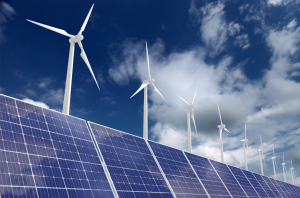
Health Benefits of Clean Energy in Wisconsin

Drivers of Environmental Burden in Wisconsin
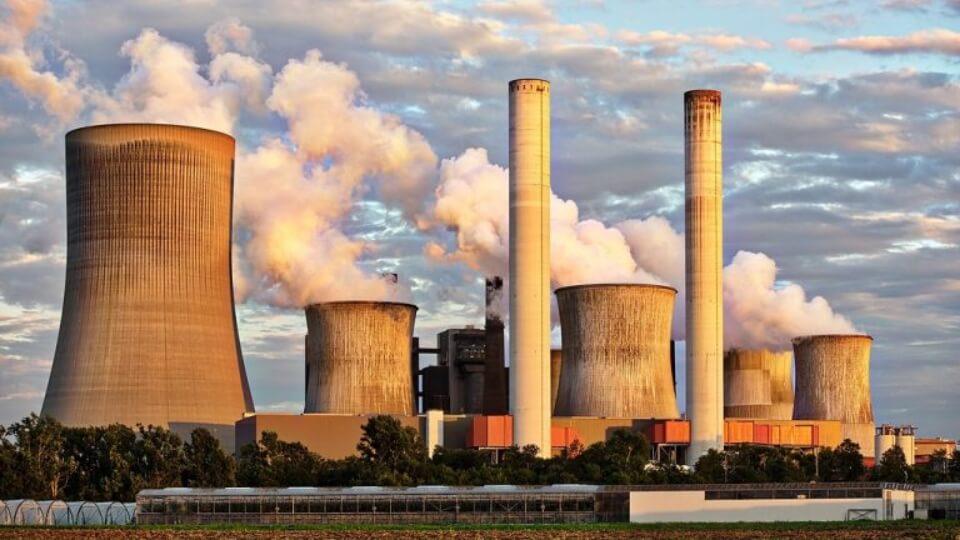
Assessing Environmental Burden in Wisconsin
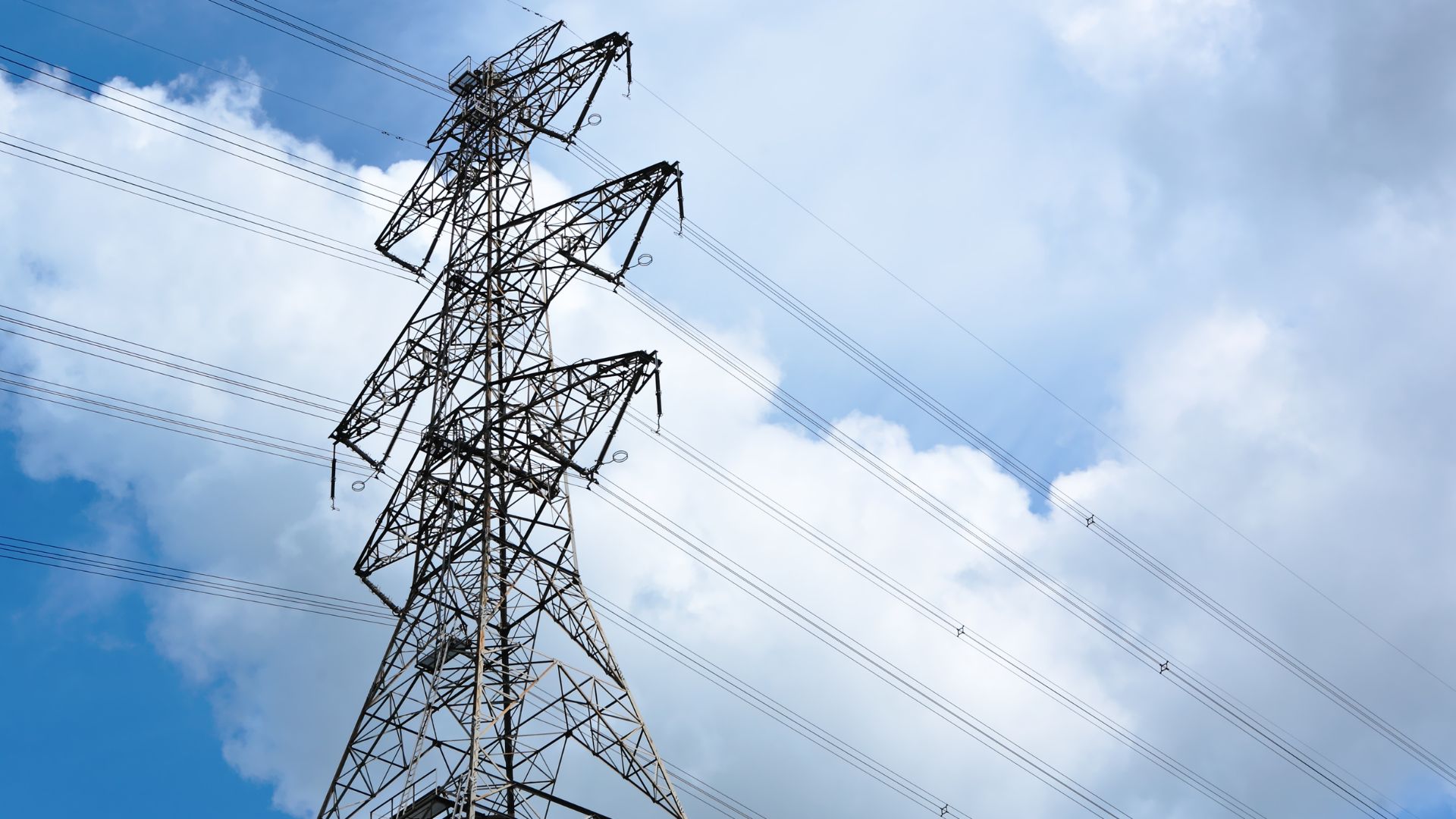
Community Impact of Funds from Transmission Lines
Resources
Our Climate Resources
Explore guides, reports, and research to deepen your understanding and power your advocacy.
Press Releases
Clean Wisconsin sues EPA over rollback of toxic air pollution protections
Rollback allows more mercury, lead, arsenic and other toxins to be released from power plants.
See NewsClimate News
Expert Insights
Superior WI says no to new gas plant
Preventing the construction of new fossil fuel infrastructure is long and hard work.
Read MoreExpert Insights
Podcasts
Meet The Teen Who Is Suing Wisconsin Over Climate Change
Wisconsin has laws on the books that are actively helping to keep fossil fuels burning here. But maybe not for long. In this episode meet one of 15 kids who is suing our state over climate change.
Listen NowLatest Podcast
Research and Analysis
The Cost of Nitrate Contamination in Wisconsin’s Drinking Water
Wisconsin faces a growing public health crisis caused by widespread nitrate contamination in our drinking water.
Explore ResearchHealth Research
Frequently Asked Questions
Our Climate FAQs
Why is natural gas bad for the climate?
Methane—the main component of natural gas—traps 30 times more heat than CO₂ and leaks throughout the supply chain.
Can Wisconsin really reach net-zero emissions?
Yes. With bold investments in clean energy, efficiency, and grid upgrades, Wisconsin can hit net-zero by 2050.
What does “clean energy” mean?
It refers to energy sources that do not directly emit greenhouse gases or pollution—like wind, solar and geothermal.
Does solar energy work in Wisconsin’s climate?
Absolutely. Solar panels still produce energy on cloudy days, and battery storage boosts reliability year-round. Most new panels used at solar farms can collect energy on both sides, coming in handy in the winter when snow on the ground reflects the sun. And solar panels are more efficient at producing energy in cold temperatures.
How can I support clean energy in my community?
Speak at public meetings, submit comments, contact your lawmakers, and share accurate info with your network. And sign up for Clean Wisconsin’s Action Network to be the first to know when there is an opportunity to help support clean energy in your community!

SIGN UP
Join the Fight for Our Climate
Sign Up For Email Updates
"*" indicates required fields