

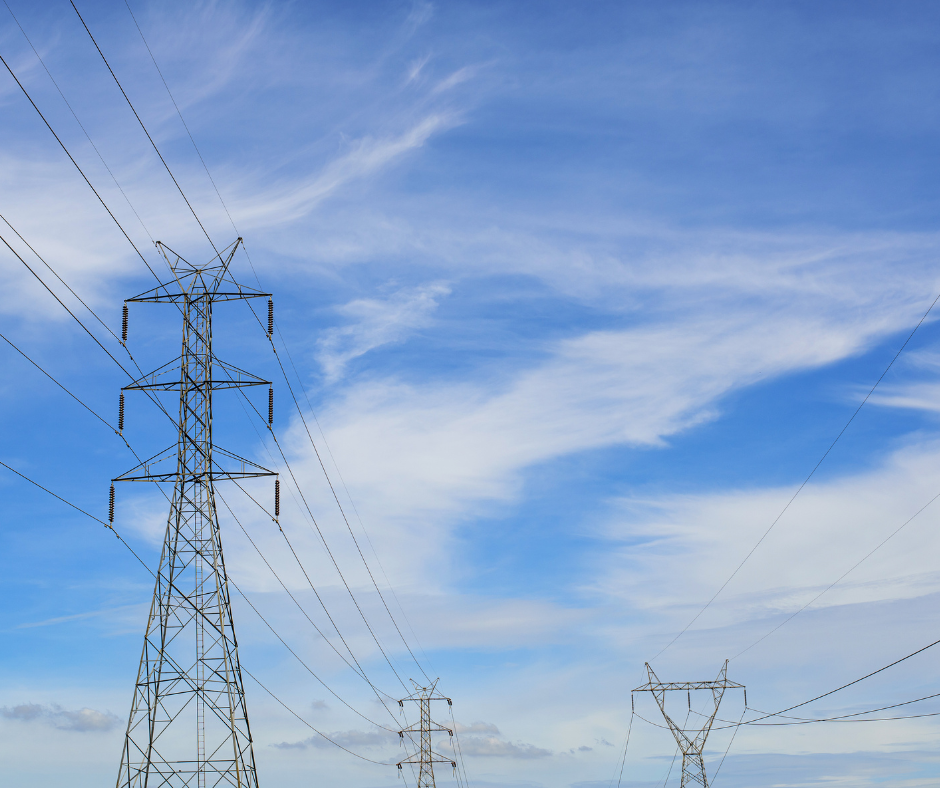
Transmission lines are a-coming
July 8, 2025
How we use electricity, and how much of it we use, is changing. How we generate electricity is also changing. And that means changes are afoot for our electricity grid.…
Read More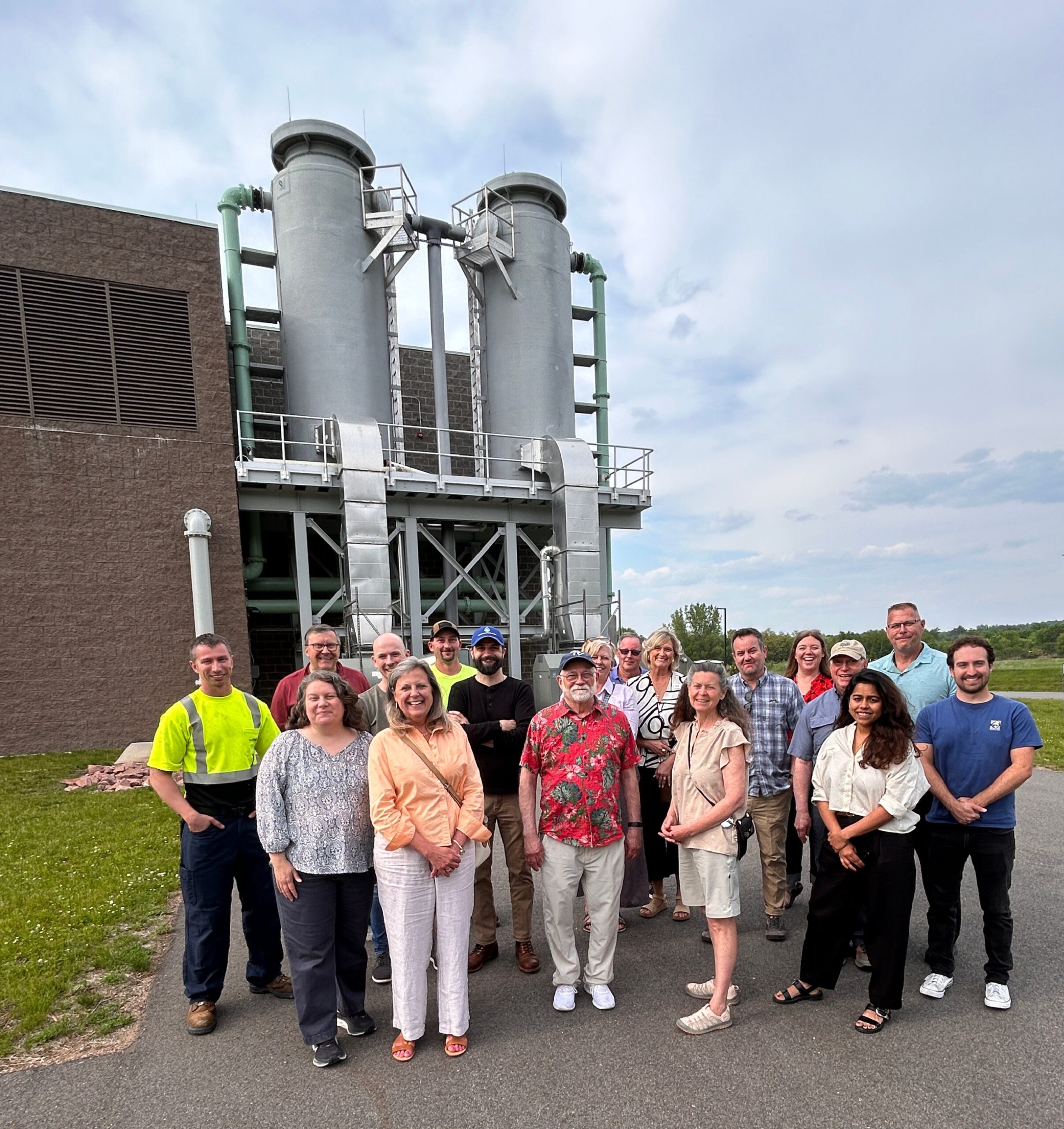
Clean Wisconsin helps organize Wisconsin’s first PFAS Summit
July 8, 2025
In a first-of-its-kind event, a state-wide PFAS group hosted its inaugural PFAS Summit at Rib Mountain State Park in Wausau earlier this summer.…
Read More
Fossil Fuel Flashback?
July 8, 2025
Despite the mounting costs to our environment, health, and economy, fossil fuels appear to be staging a comeback in Wisconsin.…
Read More
Supreme Court decision a victory for Wisconsin’s environment
July 8, 2025
The Wisconsin State Supreme Court found it is unconstitutional for a legislative committee to block rules created by state agencies implementing the law. The ruling has a direct impact on environmental protections across Wisconsin.…
Read More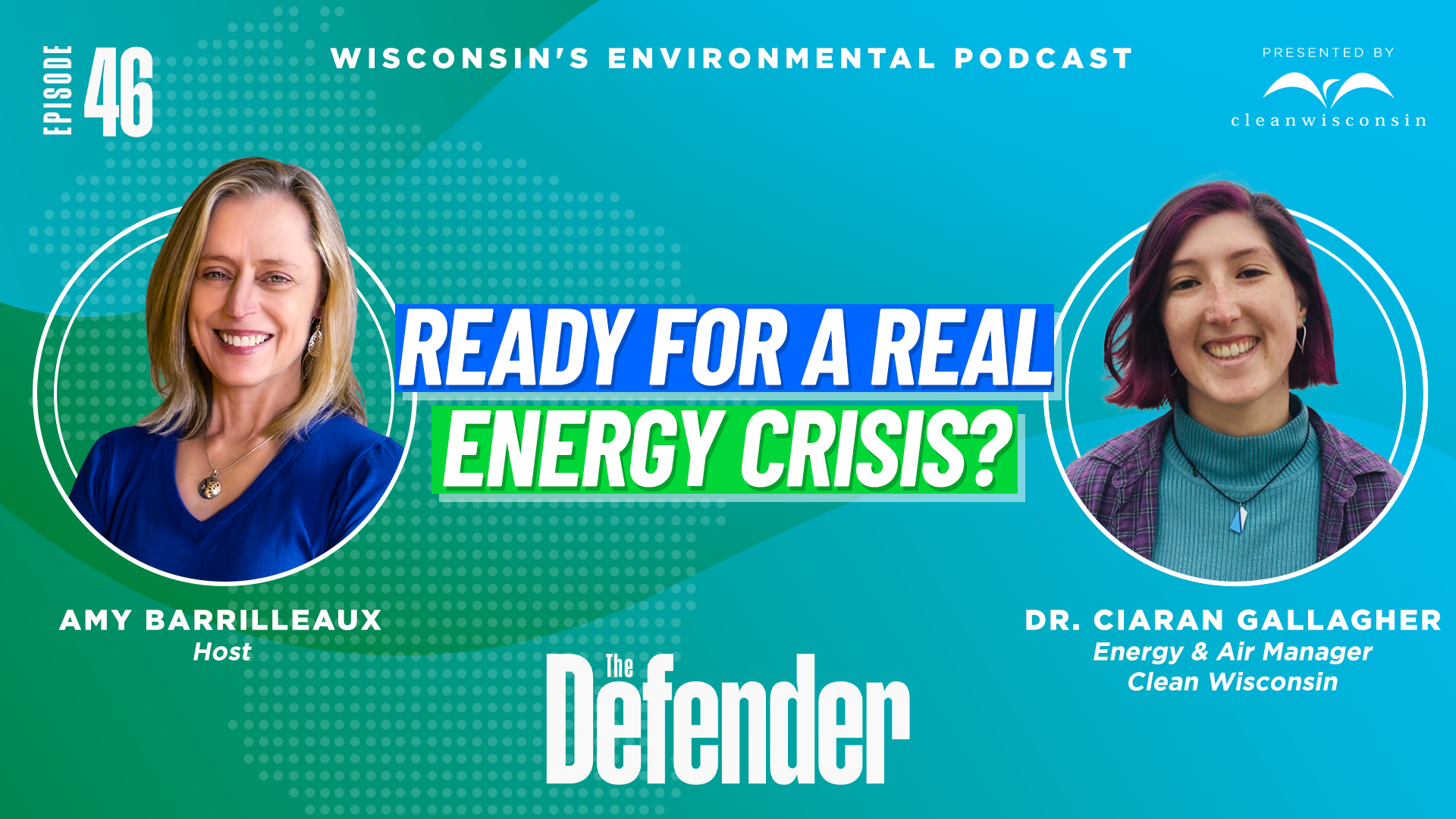
Ready for a REAL energy crisis?
July 7, 2025
Find out why the fallout from Trump's budget will include bigger bills, more toxic emissions, and a higher risk of blackouts.…
Read More
The Ugly Impact of Trump’s ‘Big, Beautiful Bill’ on Wisconsin’s Environment
July 1, 2025
Senate Republicans have passed a bill that will mean more pollution, higher energy costs, more extraction on public lands, and lost jobs here in Wisconsin.…
Read More
Cows, Tall Grass and Wind Turbines
June 30, 2025
Have you ever wondered what it’s like to stand next to a wind turbine? You're about to find out.…
Read More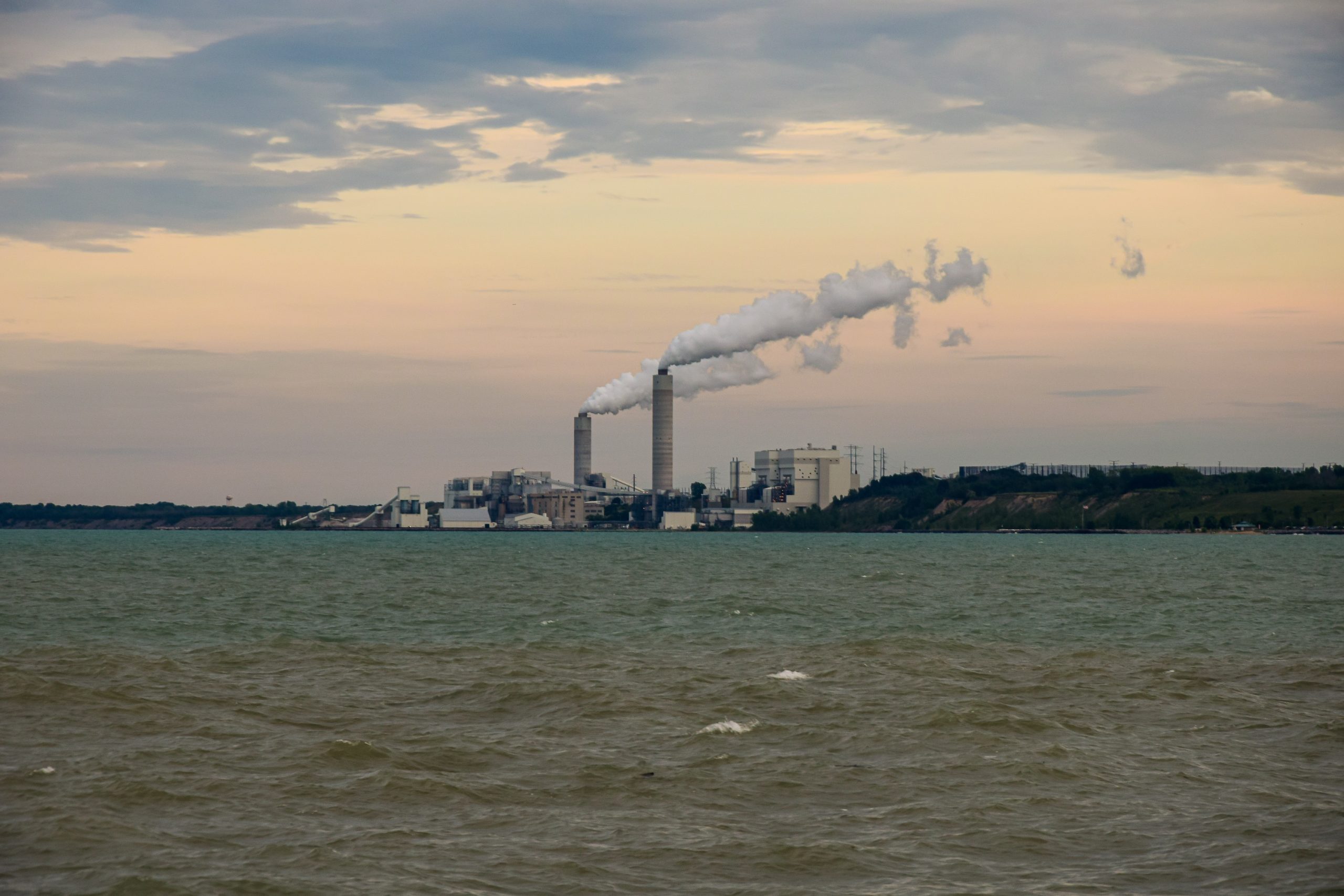
We Energies pushes back coal plant retirement
June 26, 2025
"This is a company that time and time again has taken a shortsighted, profit-driven approach to energy production and planning, and its customers are paying for it."…
Read More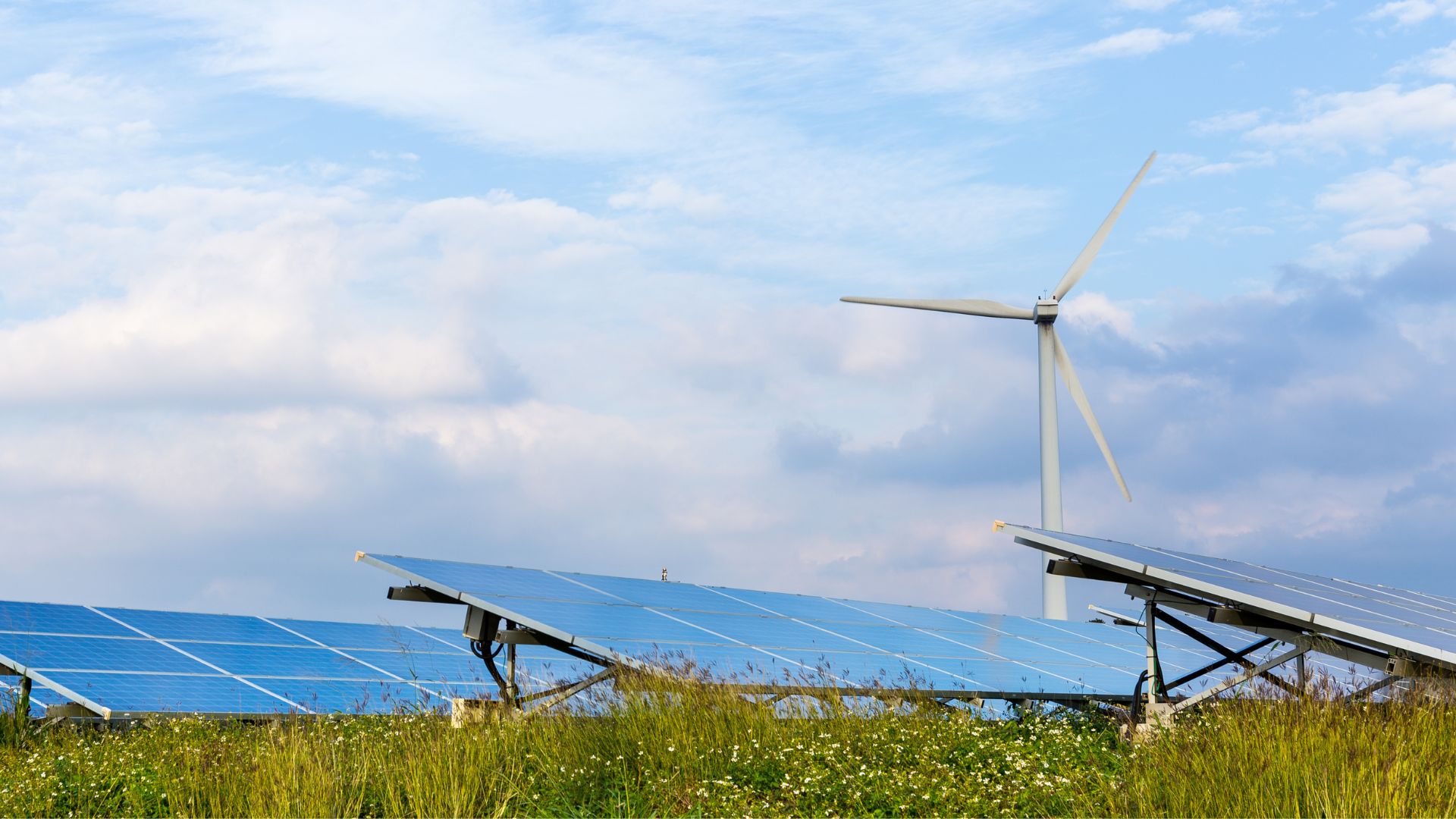
Major U.S. Grid Operator Quickly Resubmits Discriminatory Energy Plan to FERC
June 18, 2025
Another deeply-flawed proposal from MISO discriminates against wind and solar.…
Read More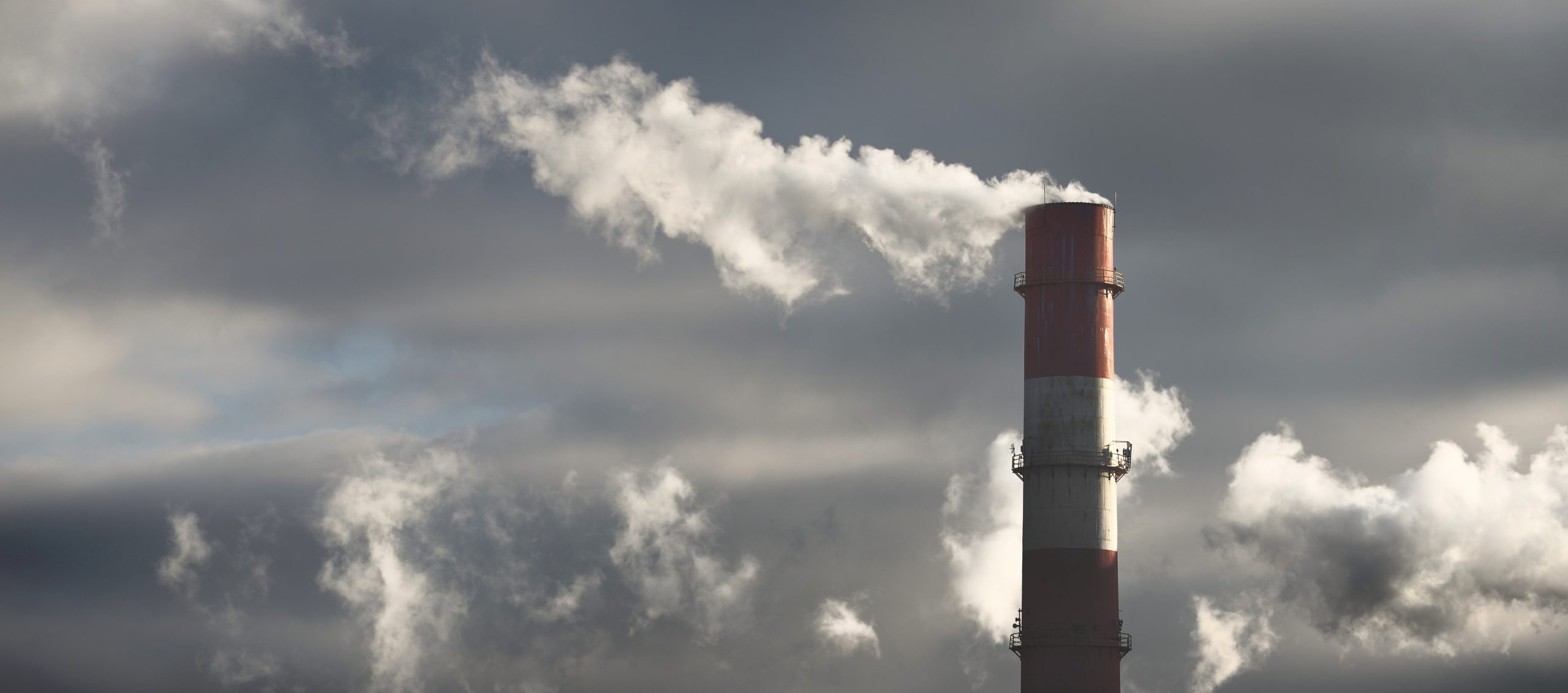
Trump order to keep Michigan coal plant running could mean higher energy bills in Wisconsin
June 17, 2025
Consumers Energy wants to recoup costs to bring a coal plant back online through price increases on customers across the Midwest grid.…
Read MoreCategories
Latest Articles