


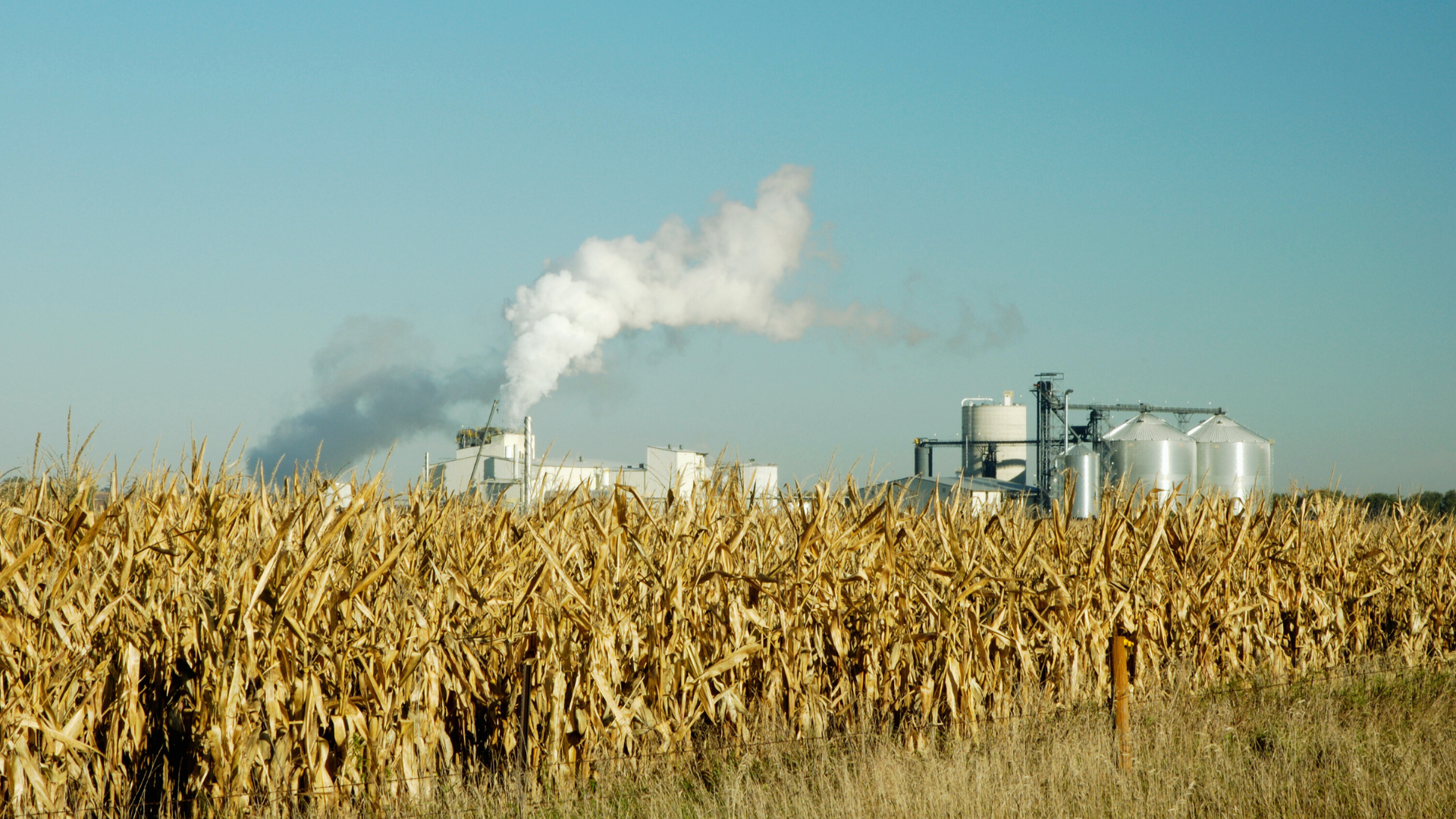
A proposal in Congress to allow 15% ethanol blends (E15) in auto fuels year-round would increase dangerous water contamination and air pollution across Wisconsin. The move is meant to quickly boost markets for U.S. corn growers who have been squeezed out due to tariffs and foreign competition. But the environmental and health costs in Wisconsin will be substantial.
“Growing corn for gas tanks is a huge contributor to our state’s drinking water nitrate contamination crisis. People in rural areas are suffering from increased risk of thyroid disease, colon cancer, blue baby syndrome, neural birth defects and non-Hodgkin’s lymphoma,” says Clean Wisconsin Water and Agriculture Program Director Sara Walling. “Wisconsin already spends $80 million a year on health costs from that contamination. We cannot put any more acres of our land into growing corn for ethanol. The harms are just too great.”
About a million acres of land in Wisconsin is currently used to grow corn for ethanol, and an estimated 80,000 private drinking water wells in the state are contaminated with unsafe levels of nitrates—primarily from agricultural use. Corn causes more nitrate contamination in Wisconsin waterways than any other crop.
Use of E15 fuel is generally banned in summer months over concerns that it contributes to harmful ground-level ozone pollution, which is most likely to reach unhealthy levels on hot sunny days. Corn grown for ethanol and other uses also causes dangerous ozone and particulate matter air pollution from intensive fertilizer and nitrogen application on farm fields.
“About a third of our state lives in a non-attainment area for ozone pollution, and this pollution is worse in the summer,” says Clean Wisconsin Climate, Energy and Air Program Director Chelsea Chandler. “Growing more corn for ethanol and burning E15 fuel year-round would likely mean higher rates of asthma attacks, respiratory infections, and premature death for people in Wisconsin.”
Yet Wisconsin and seven other Midwest states successfully requested that the EPA allow sales of E15 in their states year-round, effective as of last year. Now the proposal is to expand nationally.
Chandler notes that there is no climate benefit to burning ethanol instead of gasoline, since any emissions reduced at the pump are counteracted by emissions created when the corn is farmed.
“When we look at the full climate impact of ethanol, including growing massive amounts of corn on land that would otherwise be used to grow food for people or have the benefit of storing carbon in soils and trees, ethanol can actually be worse for the climate than gasoline,” Chandler says. “If we factor in the price tags of contaminated water, air pollution, and climate change, E15 actually costs us a lot.”
Less than 1% of the 4 million acres of corn grown in Wisconsin is intended for direct human consumption, with the vast majority used for ethanol and livestock feed. Corn plants are only able to use 40-60% of the nitrogen fertilizer that is applied to fields, which means a significant amount of the fertilizer is left to leach into our groundwater and runoff into nearby lakes and streams.
