

NTEC plans crumble in face of community, legal opposition
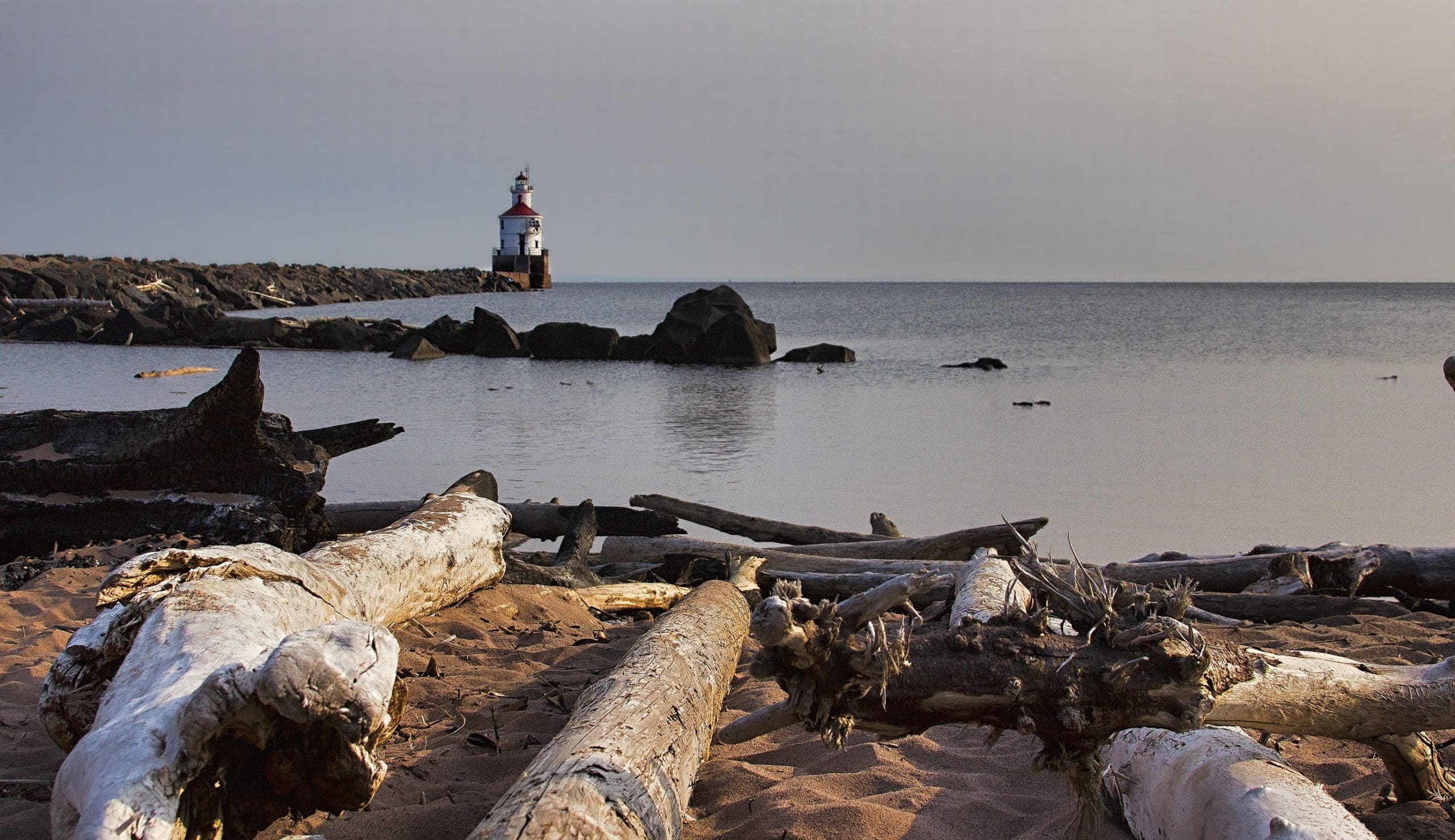
Preventing the construction of new fossil fuel infrastructure is long and hard work. For nearly a decade, Clean Wisconsin and the City of Superior have been fighting to block a new methane gas plant from being built along the banks of the Nemadji River.
Now, Superior Mayor Jim Paine says the years-long fight to stop the project is finally over.
Plans for the Nemadji Trail Energy Center (NTEC) — a $700 million, 625-megawatt methane gas plant — were first introduced by Dairyland Power Cooperative, Minnesota Power, and Basin Electric in 2017. Wisconsin’s Public Service Commission approved the project in 2020.
Clean Wisconsin took legal action to challenge the PSC’s approval of the project not long after, citing concerns that the gas plant’s location near the Nemadji River could lead to serious environmental impacts, including soil erosion, flooding, groundwater depletion, and habitat loss. As if the local impacts weren’t enough, NTEC would have also pushed out 3 million tons of climate-warming carbon pollution every year, threatening other communities in northern Wisconsin and pushing our state further from its clean energy goals.
In Superior though, supporters of the project were telling a different story — one that suggested major economic investments, new union jobs, and opportunities to transform the community for the better. At first, it was a pitch that Paine believed in good faith.
“What was unsettling though,” Paine says, “is that other folks that were very real environmentalists, part of a movement that I’ve been a part of since I was a child, were arguing pretty vociferously against it,” he says.
Opposition from advocates Paine trusted, paired with some new perspective from Jenny Van Sickle — a Superior City Council member at time, and Paine’s wife — helped him realize the risks NTEC would bring far outweighed its potential benefits. As Paine and other city leaders came together with a deeper understanding of the harm NTEC would bring, objections to the project at the federal level, a lack of necessary permits, and Clean Wisconsin’s ongoing legal efforts gave the city extra time to develop a strategy for stopping the gas plant.
“[O]ur process was about making it harder each day and getting closer to the deadline when it would become impossible,” Paine says. “So we just stayed alive long enough to outlive them.”
NTEC and its supporters needed to win every fight. The City of Superior only needed to win one.
So, when the time came for city leaders to consider rezoning the proposed site for industrial use, they simply voted against it. Without the proper zoning and a number of permits still outstanding, the project slowed even more. Then project partners asked the Wisconsin Department of Natural Resources to pull the project’s air permit because federal approvals were taking so long. After that, Minnesota Power, one of the original project partners, announced it would no longer be supporting the project.
And just like that, Paine says, NTEC’s chances of moving forward effectively dropped to zero.
“You only get this one opportunity to do the right thing,” Paine says. “And if you do the wrong thing, sometimes the consequences can last for decades.”
Finding common ground in this day and age can be extremely difficult. But when local leaders find the courage to do the right thing — listen to and prioritize the health and well-being of their constituents — amazing things are possible.
Thanks to their on-the-ground experience of fighting off a brand-new methane gas plant, Superior residents are now prepared for whatever challenge comes next.
“They’re looking for other ways that we can protect our community and make it better,” Paine says. “What’s the next threat? But also, what’s the next opportunity?”
Stopping new fossil fuel infrastructure is often an uphill battle, but coordinated efforts between organizations like Clean Wisconsin and community leaders like Paine — efforts that combine grassroots community work with legal and scientific expertise — show us that persistence and partnership can pay off.
