


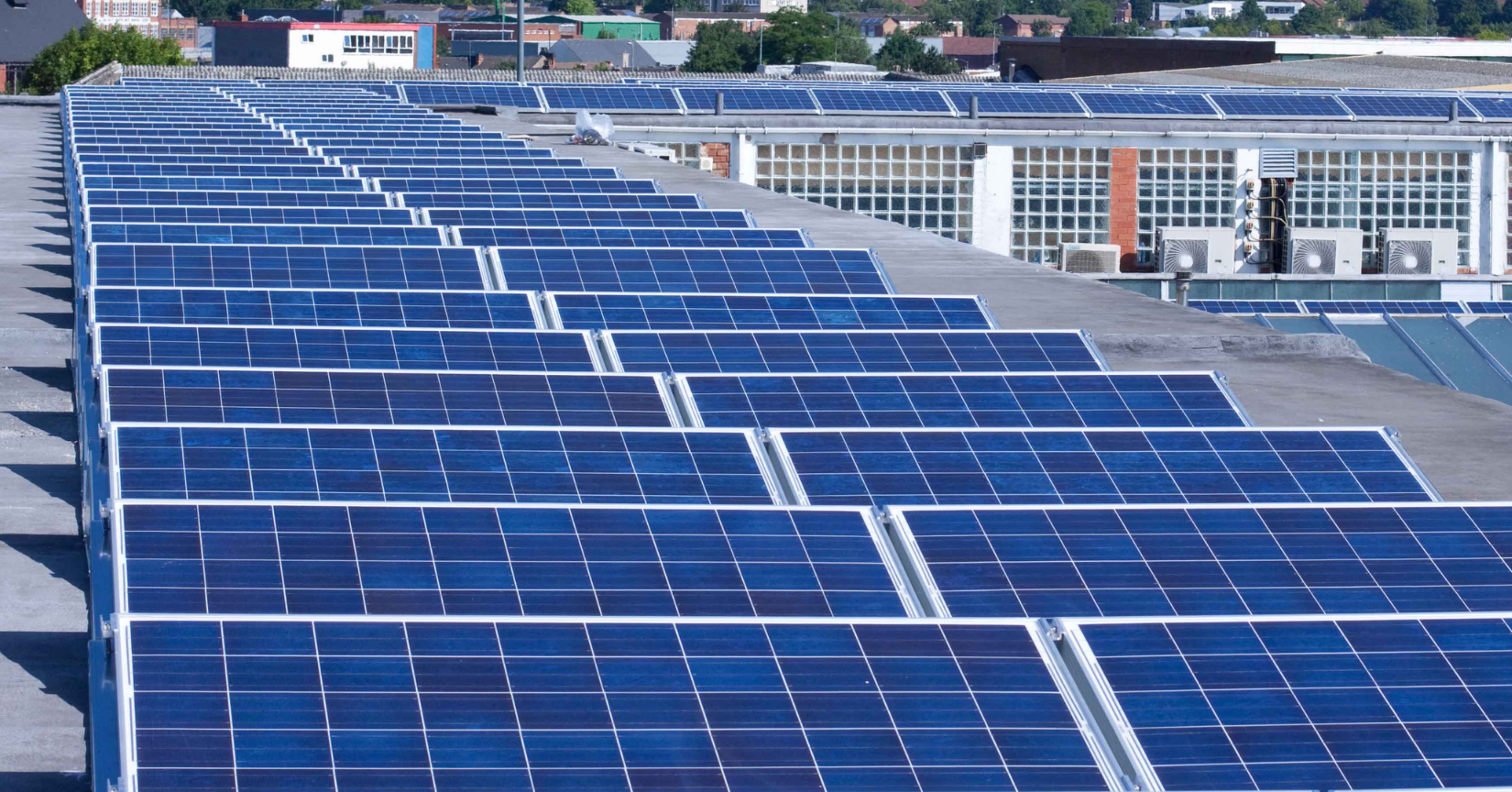
On December 1st, a revised Public Service Commission (PSC) rule took effect that makes it easier for apartment buildings to install solar panels and other energy-saving upgrades. Clean Wisconsin and its partners and supporters have spent years calling for the PSC to update § 113.0803, an antiquated provision requiring apartment buildings to install separate electric meters for each individual unit.
Removing this expensive requirement will help renters take full advantage of the cost-saving benefits of solar energy. Unfortunately, some great housing projects in Wisconsin—hotel-to-apartment conversions and affordable housing buildings with rooftop solar—have been required to install individual electric meters in each unit, driving up project costs, sometimes by millions of dollars, and thus rent prices. For example, the rule increased costs for a 70-unit affordable housing building in La Crosse that sought to install rooftop solar, energy-saving appliances and a highly efficient heating and cooling system.
The mandate to install electric meters for each apartment unit no longer applies to existing buildings (covering hotel to apartment conversions), affordable housing projects, and buildings that meet certain high efficiency energy standards. This means that developers working on such projects won’t be saddled with the upfront costs of individual meters, and renters won’t be burdened with the added monthly utility bill costs that come with each individual meter.
PSC Commissioners adopted many of the recommendations presented by Clean Wisconsin and our partners during the rulemaking process. Specifically, the new rule includes an expansion of categorical exceptions instead of relying on a burdensome waiver process that creates red tape, wastes PSC staff time, and delays needed housing projects.
The Wisconsin Supreme Court’s recent Evers v. Marklein decision ensured this rule change took effect quickly. In that decision, the Court found that it is unconstitutional for administrative rules to be held up indefinitely by a small and unrepresentative group of legislators. The Wisconsin commercial building codes, which include provisions to significantly increase the energy efficiency of newly constructed commercial buildings, also recently took effect in the wake of the ruling.
This rule change and the Evers v. Marklein decision have removed barriers for developers to build new and energy efficient multi-family buildings in Wisconsin. This is an important step in concurrently addressing the housing crisis, the climate crisis, and the affordability crisis. Clean Wisconsin is proud to have contributed to such an important change.
