


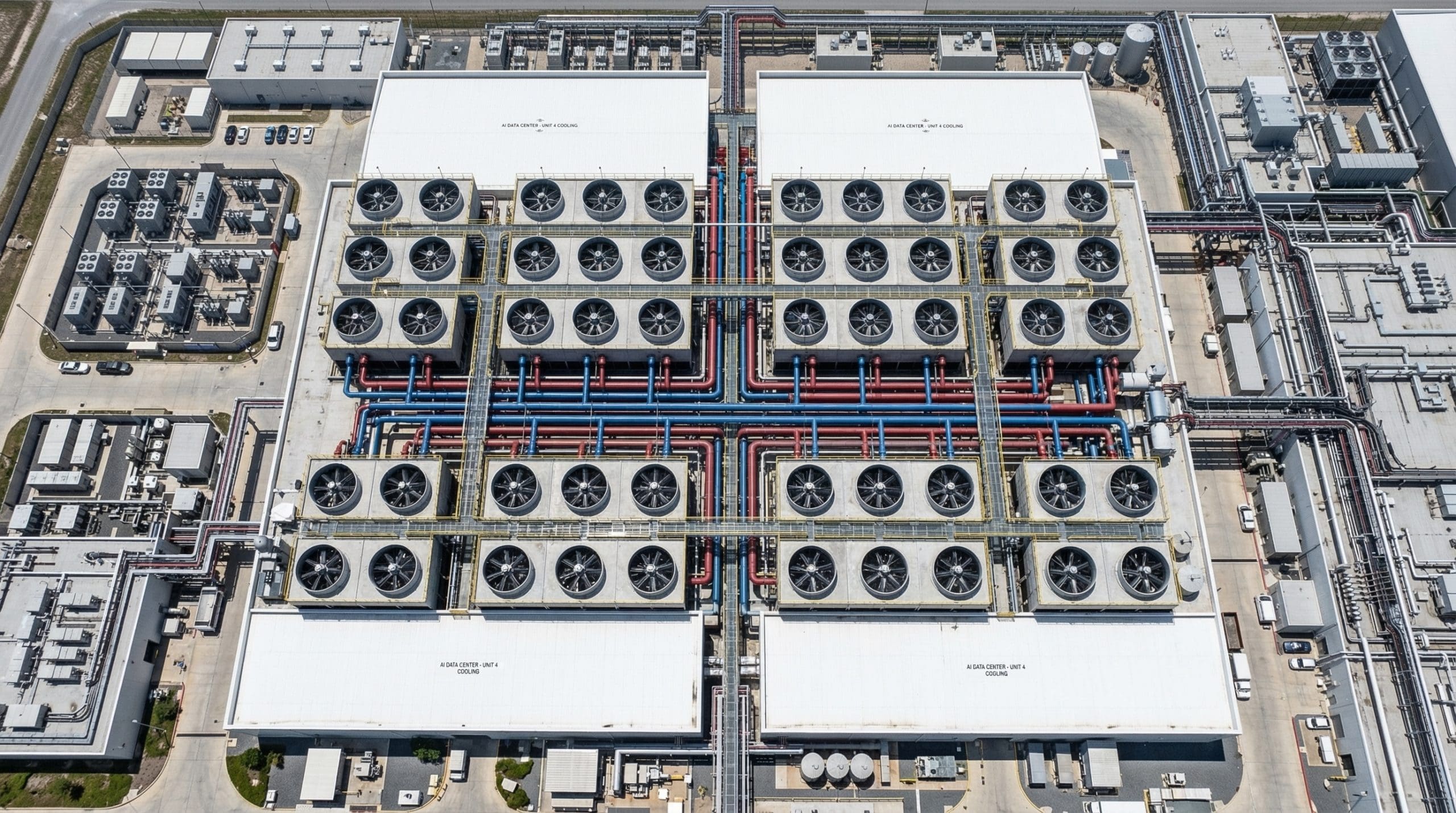
Wisconsin’s energy system is undergoing big changes. Skyrocketing energy demand, driven in large part by hyperscale data centers, is being met with fossil fuel power plant proposals at an alarming pace and cost. At a time when prices are rising and families are struggling to make ends meet, electricity bills continue to climb. The burdens and benefits of these changes are not being shared equally. Some private sector interests stand to profit enormously, while many Wisconsin communities are left with higher costs and greater risks. As this plays out in Wisconsin, there are clear winners and losers. It’s worth asking who benefits from these decisions and who is left to bear the consequences.
Who is losing?
Unfortunately, Wisconsin communities are losing when it comes to data center development and the fossil infrastructure powering them. To power their AI products, tech companies are building energy-ravenous and water-guzzling data centers. The high energy demand of Microsoft’s Mount Pleasant data center has already resulted in approvals of two new methane gas plants in Oak Creek and nearby Paris, condemning the local community to polluted air and risking higher energy costs for families and small businesses. Communities living near coal and methane power plants are exposed to dirtier air that can lead to dire health consequences like increased rates of asthma, cardiovascular disease, and premature death. In the absence of a state law paving the way to a clean energy future – like Integrated Resource Planning or a Clean Electricity Standard – local communities are at the mercy of voluntary corporate goals, which lack teeth and can be changed or abandoned as business priorities shift.
This is why the retirement dates of polluting and expensive coal plants keep getting kicked down the road. In April, We Energies delayed – for the third time in four years – the retirement of the remaining coal units at the Oak Creek power plant. The Trump Administration now plans to give Alliant Energy a $19 million boost to keep coal burning at the Columbia Energy Center, which was initially set to retire in 2024.
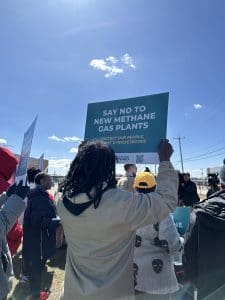
Utilities say new gas plants are supposed to be a “bridge” to a carbon-free future. But if Wisconsin utilities are serious about reducing air and climate pollution, that means retiring these new gas plants well before the end of their operating lifetime. This is a recipe to create stranded assets – costs the utility will pass on to ratepayers through higher energy bills. The utility is guaranteed a high rate of return when they build expensive new gas plants, but Wisconsin communities will be on the hook for the costs even long after the plants are shuttered.
AI data centers insist on 24/7 reliability, yet tech companies haven’t scratched the surface of efficiency strategies like demand response, and many are being built with extensive backup diesel generator systems. A recent Clean Wisconsin analysis showed that pollution from the generators at the Vantage data center in Port Washington could cause $960,000 to $1.29 million in annual public health costs statewide.
From both health and economic perspectives, Wisconsin communities are getting a bad deal.
Who is winning?
Tech companies are winning. Not only is Wisconsin offering up our air and water, we’re giving monetary handouts to some of the richest companies in the world. Because of the sales tax exemption for data centers, Wisconsin is already set to miss out on $2 billion in revenue. Imagine the good that kind of investment could do for hardworking Wisconsin families. Microsoft gets to claim they’re meeting their global corporate sustainability goals (which they may abandon anyway), despite causing in-state environmental harms.
Electric company executives are winning. Utilities are actively recruiting data centers to Wisconsin and are happy to build energy generation to serve these new large loads while creating a massive profit for themselves. We Energies’ top executives pocketed a combined $32.7 million in 2024, while too many hardworking Wisconsinites face large energy burdens and struggle to pay their soaring bills. The CEO of WEC Energy Group (the parent company of We Energies) brought home $12 million last year, while We Energies customers’ electricity bills increased 12% over the last two. The investors of the energy companies, who enjoy huge, guaranteed returns, are also benefitting.
So, what do we do?
We need to direct our attention to the responsible parties – the tech and power companies – and hold them accountable. Sign Clean Wisconsin’s petition to pause data center approvals until Wisconsin has a comprehensive state plan to ensure these projects will not harm our communities. Submit comments to the Public Service Commission in support of a wind or solar project or against a methane gas project or unfair rate hike. Show up to upcoming forums and town halls to talk with gubernatorial and legislative candidates to make sure they know that Wisconsin communities are demanding guardrails for data centers that ensure we have clean air, clean energy, and bills people can afford to pay.
Wisconsin welcomes businesses that are good neighbors. But that means bringing innovation, clean technology, and real investment in Wisconsin – not just taking advantage of huge tax breaks and minimal regulation.
If our leaders start making energy decisions based on what will help communities, instead of corporations, we can build a healthier future for our people, planet, and pocketbooks.
