


It may seem like déjà vu, but the U.S. Environmental Protection Agency (EPA) has released another proposal to sharply limit which waters are protected under the Clean Water Act—one of America’s most important environmental laws. Without changes, the proposed rule would remove federal safeguards from up to 55 million acres of wetlands and potentially millions of miles of streams across the country, leaving many waters vulnerable to pollution, development, and degradation.
The proposed rule limits federal jurisdiction to wetlands that hold surface water during the “wet season” (a vague phrase found nowhere in the Clean Water Act) and directly touch a river or stream with continuous water during that same period. This definition would exclude about 85% of the nation’s wetlands and many miles of headwater streams—particularly those that are seasonal, temporary, or lack a permanent surface connection. These waters play essential roles in filtering drinking water, reducing flood risks, and supporting wildlife and recreation. Losing protections for them puts public health and safety at risk.
This proposal follows the U.S. Supreme Court’s 2023 ruling in Sackett v. EPA, which upended decades of precedent by re-interpreting the law to find that only wetlands with a “continuous surface connection” to federally protected waters fall under the Clean Water Act. This radical interpretation ignored volumes of wetland science demonstrating that connections visible on the surface are only one of several ways in which water systems can be connected. Clean water downstream depends on healthy wetlands and seasonal streams upstream whether or not we can see the connection on the surface.
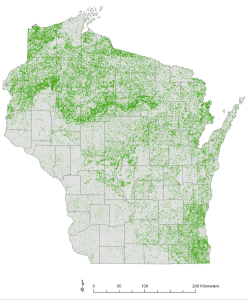
In Wisconsin, at least 20% of the state’s remaining wetlands—more than one million acres—are considered “geographically isolated,” meaning they lack the direct, permanent surface connection to navigable waters that the proposed rule would require. They could soon lose federal protection. These wetlands are hallmarks of Wisconsin’s Northwoods; they store floodwaters, recharge groundwater aquifers, sustain wildlife, and draw thousands of visitors each year.
Fortunately, Wisconsin is better positioned than many states to protect these wetlands from unregulated filling and destruction. The state became a national leader in wetland regulation when major, bipartisan legislation was enacted in 1991 and 2001 that cemented Wisconsin’s support for wetland protections. This long-standing commitment across political lines has helped to ensure our wetland and groundwater safeguards remain a priority. Under Wisconsin law, “waters of the state” include virtually all lakes, rivers, springs, marshes, ponds, drainage systems—even artificial water bodies. This inclusive definition reflects Wisconsin’s time-honored recognition that water resources are in fact interconnected. Protecting them is essential to public health and ecological integrity, however several efforts in the past decade to erode our state water protections have been attempted, with some being successful, making ongoing public support for water protections a must.
Wisconsin’s Department of Natural Resources (DNR) has affirmed that it will continue regulating non-federally protected wetlands to the extent that our state laws allow even if the proposed rule goes through unchanged. Therefore, as federal protections weaken, state-level safeguards will play an increasingly central role in defending the surface and groundwaters that sustain our communities. Wisconsin has a strong foundation—but maintaining it will require continued vigilance and public engagement. With your support, Clean Wisconsin will continue to advocate for state and federal groundwater and surface water protections to benefit every Wisconsin community.
